





toward a healthier tomorrow. We’re glad you’re here. Together,
we’ll work toward clarity, balance, and peace.

Psychotherapy in Hamilton

ADDICTION AND MENTAL HEALTH
Addiction and Mental Health effects both the individual and family.
Over 27 years of current and integrative experience will support you or your loved ones with the impact of addiction or mental health.
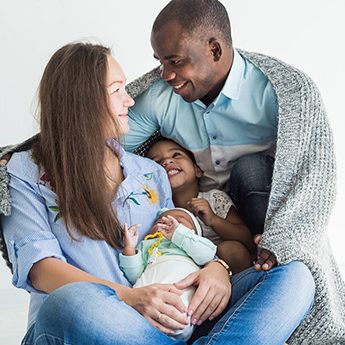
CONFLICT RESOLUTION
(COUPLES AND FAMILY)
Relationships can be difficult to manage and are stuck in unhealthy cycles. Enhancement of communication skills, exploring why and how you may push each other apart and supportive understanding of each other, can create healthier relationships and assist you to step out of these cycles. Healing Matters Psychotherapy is a poly friendly service.

PERSONAL DEVELOPMENT
Are you ready to make changes?
Often, individuals seek therapy because they have specific issues to address, or wish to experience personal growth, however may be unsure of what to focus on, or how. We are more successful in creating changes when we have support.

GRIEF AND LOSS
Grief has no rules, and no timelines, effecting emotions, behaviours, thoughts and our bodies. Grief can contribute to individuals feeling stuck and not knowing how manage intense emotional pain. Healing Matters Psychotherapy and Wellness will support you in your individualized experience of grief and loss.

TRAUMA AND PTSD
Trauma impacts individuals emotionally, mentally, physically and psychologically. This can overwhelm one’s ability to cope and have long lasting effects.
Healing Matters Psychotherapy uses evidence based techniques and therapeutic modalities to support individuals and and families in an a safe, trauma informed space.

SAFE SPACE
Healing Matters Psychotherapy and Wellness is a safe and inclusive space.
Therapy For Caregivers In Hamilton
Therapy for caregivers in Hamilton is specialized mental health support designed to address the unique emotional, physical, and relational demands of caring for a dependent adult or child. Healing Matters Psychotherapy provides compassionate, evidence-based counseling that recognizes caregiver burden as a legitimate clinical concern requiring professional intervention.
Caregiving-whether for an aging parent, a partner with chronic illness, or a child with special needs-carries invisible psychological weight. In Hamilton and across the Greater Hamilton Area, many caregivers exhaust themselves meeting others' needs while their own mental health deteriorates. This page covers five essential truths about seeking support, what the therapeutic process looks like, and how specialized care can restore your capacity to care for yourself.
1. Caregiver Burnout Is a Measurable Clinical Condition, Not a Personal Failing
Caregiver burnout is not weakness or lack of commitment. It is a recognizable syndrome characterized by emotional exhaustion, depersonalization, and reduced personal accomplishment, often accompanied by anxiety, depression, or both. Research shows that caregivers experience stress hormone levels comparable to individuals with diagnosed anxiety disorders, yet many never seek help because they minimize their own suffering.
Healing Matters Psychotherapy approaches caregiver exhaustion with clinical precision. Therapists assess the specific stressors you face-sleep disruption, financial strain, loss of social identity, anticipatory grief-and address each using evidence-based techniques. Because your nervous system has been in prolonged activation, treatment often includes somatic approaches that help you recognize and interrupt patterns of chronic tension. This is not self-care advice; it is clinical care tailored to your neurobiology.
2. Therapy Addresses the Relationship Between Your Role and Your Identity
Many Hamilton-area caregivers report that they have lost themselves entirely to the role. Over months or years, hobbies fade, friendships thin, and your sense of who you are outside caregiving dissolves. This identity erosion intensifies depression and creates existential distress-the feeling that your life has no dimension beyond obligation.
Individual counselling at Healing Matters Psychotherapy helps you reclaim psychological space. Through structured conversation, therapists help you explore what parts of yourself existed before caregiving and what aspects you wish to preserve or rediscover. This is not about abandoning your responsibilities; it is about holding both-your commitment to your care recipient and your own personhood-without sacrificing one entirely for the other. Over time, this integration reduces the internal conflict that fuels burnout.
3. Caregiver Therapy Often Includes Practical Boundary-Setting and Communication Skills
Emotional support alone is necessary but insufficient. Caregivers typically lack explicit permission and skill to set boundaries with care recipients, siblings, healthcare providers, or employers. Without these boundaries, resentment and rage accumulate beneath the surface.
Healing Matters Psychotherapy integrates skill-building into treatment. Therapists teach assertive communication techniques-how to say no without guilt, how to ask for specific help, how to refuse unreasonable demands while maintaining compassion. You practice these conversations in session before using them at home. Because many caregivers struggle with anger management alongside burnout, therapists help you distinguish between justified anger (a signal that your needs are unmet) and destructive rage (a symptom of overwhelm). In Hamilton, where multigenerational and close-knit family structures are common, these skills prevent therapy from becoming a space where you vent without changing the actual dynamics that harm you.
4. couples counselling Becomes Essential When Caregiving Strains Your Primary Relationship
If you are a spousal caregiver or a partner of a primary caregiver, your relationship often becomes invisible-overshadowed by medical appointments and crisis management. Resentment grows silently. The partner who is not the primary caregiver may feel excluded; the primary caregiver may feel unsupported or guilty about their reduced emotional availability. Sexual intimacy often vanishes first.
Healing Matters Psychotherapy offers couples counselling specifically designed for caregiving relationships. Therapists help both partners articulate their hidden fears-that the care recipient will decline, that the relationship cannot survive this strain, that they are selfish for wanting attention. By naming these fears explicitly, couples move from resentment into partnership. Therapists also help you rebuild connection in small, manageable ways, acknowledging that your relationship will look different during this season without being less valuable.
5. grief counselling Addresses the Losses Caregiving Entails, Not Just End-of-Life Loss
Caregiver grief is complicated and ongoing. You may grieve the person your care recipient was before illness, the future you imagined, your financial security, your career, your independence, and your identity-all while they are still alive. This "ambiguous loss" is difficult to name because outsiders expect you to be grateful for the care recipient's continued existence.
Healing Matters Psychotherapy provides grief counselling that validates these layered losses without requiring you to minimize them or perform gratitude. Therapists help you distinguish between appropriate sadness (reflecting genuine loss) and clinical depression (requiring intervention). Because grief counselling often coexists with trauma therapy-caregivers sometimes witness medical trauma, experience PTSD from a crisis, or process old family wounds triggered by caregiving-treatment is flexible and responsive to what emerges in session.
"Caregiver burnout is not a sign that you are doing something wrong-it is evidence that you are carrying more than any one person can sustainably bear. Professional support is not abandonment; it is the foundation that allows you to continue."
If you recognize yourself in these descriptions, reaching out to Healing Matters Psychotherapy is a practical step toward relief. The therapists there have more than 27 years of integrative experience supporting caregivers through the complexity of their roles. You can contact them through their website to discuss whether individual counselling, couples work, or grief therapy would serve you best. You do not need to manage this alone.
Frequently Asked Questions
What is caregiver burnout and how is it different from regular stress?
Caregiver burnout is a syndrome involving emotional exhaustion, depersonalization, and reduced accomplishment-often accompanied by anxiety, depression, or physical illness. It results from prolonged, unrelenting stress with few breaks or support. Regular stress is temporary; burnout is a persistent state of depletion despite ongoing effort. Professional assessment distinguishes between the two and guides appropriate treatment.
Can therapy help if I am still actively caregiving and cannot reduce my responsibilities?
Yes. Therapy does not require you to stop caregiving or change your situation immediately. It teaches you how to manage your nervous system within your current reality, set boundaries that reduce strain, address depression or anxiety, and reclaim small aspects of your identity. Over time, these changes make caregiving more sustainable without requiring you to abandon your care recipient.
How much does caregiver therapy cost in Hamilton?
Therapy costs vary depending on the therapist, session length, and whether you have private insurance coverage. Contact Healing Matters Psychotherapy directly to discuss fees and whether your insurance provides mental health benefits. Many employers and extended health plans cover counselling sessions, and some therapists offer sliding scale rates based on income.
Is there trauma therapy available in Hamilton for caregivers who experienced medical crisis?
Yes. Healing Matters Psychotherapy offers trauma and PTSD therapy for caregivers who have witnessed or lived through medical emergencies, sudden health declines, or other crisis events. Trauma-informed care recognizes how caregiving crises affect your nervous system and uses evidence-based techniques to help you process these experiences.
What happens in couples counselling when one partner is a primary caregiver?
Couples therapy addresses how caregiving affects intimacy, communication, and shared decision-making. Therapists help both partners voice their needs-whether that is more emotional support, restored sexual connection, or simply being heard. The goal is to rebuild partnership while acknowledging the real constraints caregiving places on time and energy.
Can I attend therapy if my care recipient depends on me for transportation and cannot be left alone?
Yes. Many caregivers attend sessions via telehealth video or phone, which allows you to participate from home or during a time when care is arranged. Some therapists also offer flexible scheduling to accommodate caregiving responsibilities. Healing Matters Psychotherapy can discuss scheduling options when you inquire.
How do I know if I need individual counselling or couples counselling as a caregiver?
Individual counselling addresses your own depression, anxiety, burnout, and identity questions. Couples counselling addresses how caregiving is affecting your relationship with your partner. Many caregivers benefit from both-starting with individual work to stabilize your mental health, then moving to couples sessions if relationship strain is significant. A therapist can help you determine the right approach during an initial conversation.
CONTACT US
QUESTIONS?
Please do not hesitate to contact us with any questions you may have, or to book your free consultation.
HEALING MATTERS PSYCHOTHERAPY AND WELLNESS
Main Office
430 York Blvd., Hamilton ON (Free Parking) At the Hamilton Centre for Personal Development
Second Location
664 Golf Club Rd, Hamilton, ON L0R 1P0
(905) 921-6340
HOURS
Tuesday to Friday 10:00 am – 8:00 pm
Saturday 10 AM to 3 PM
By appointment only