




toward a healthier tomorrow. We’re glad you’re here. Together,
we’ll work toward clarity, balance, and peace.

Psychotherapy in Hamilton

ADDICTION AND MENTAL HEALTH
Addiction and Mental Health effects both the individual and family.
Over 27 years of current and integrative experience will support you or your loved ones with the impact of addiction or mental health.

CONFLICT RESOLUTION
(COUPLES AND FAMILY)
Relationships can be difficult to manage and are stuck in unhealthy cycles. Enhancement of communication skills, exploring why and how you may push each other apart and supportive understanding of each other, can create healthier relationships and assist you to step out of these cycles. Healing Matters Psychotherapy is a poly friendly service.

PERSONAL DEVELOPMENT
Are you ready to make changes?
Often, individuals seek therapy because they have specific issues to address, or wish to experience personal growth, however may be unsure of what to focus on, or how. We are more successful in creating changes when we have support.

GRIEF AND LOSS
Grief has no rules, and no timelines, effecting emotions, behaviours, thoughts and our bodies. Grief can contribute to individuals feeling stuck and not knowing how manage intense emotional pain. Healing Matters Psychotherapy and Wellness will support you in your individualized experience of grief and loss.
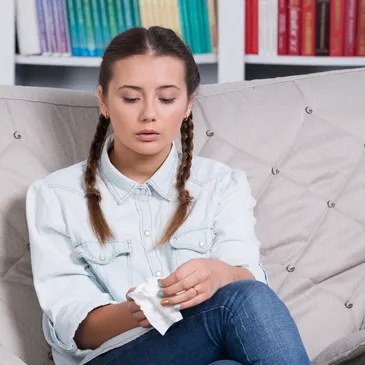
TRAUMA AND PTSD
Trauma impacts individuals emotionally, mentally, physically and psychologically. This can overwhelm one’s ability to cope and have long lasting effects.
Healing Matters Psychotherapy uses evidence based techniques and therapeutic modalities to support individuals and and families in an a safe, trauma informed space.
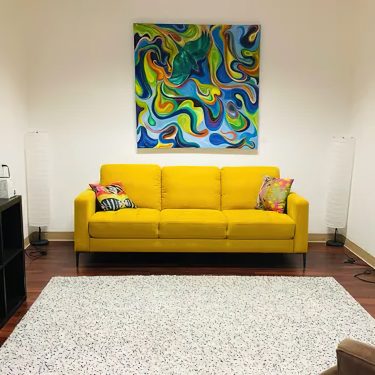
SAFE SPACE
Healing Matters Psychotherapy and Wellness is a safe and inclusive space.
Panic Attack Help Hamilton
Panic attack help in Hamilton begins with understanding that what you are experiencing is real, treatable, and manageable with the right professional support.
Sarah, a 34-year-old professional in Hamilton, had always considered herself capable and organized. Then one afternoon during a routine meeting at work, her heart began racing without warning. Her hands tingled. The room seemed to close in. Within minutes, she was convinced she was having a heart attack. She left work early, drove to urgent care, and underwent tests. Everything came back normal. Over the following weeks, the episodes returned-sometimes at predictable moments, sometimes entirely without trigger. The unpredictability became its own source of fear. Sarah stopped attending social gatherings. She requested work-from-home arrangements. Each avoided situation reinforced her belief that panic was something she could not control, that her body had betrayed her.
What Sarah was experiencing is panic disorder, characterized by recurrent, unexpected panic attacks followed by persistent worry about future episodes. In Hamilton and across North America, panic disorder affects roughly 2 to 3 percent of adults in any given year, though many more experience isolated panic attacks without meeting full diagnostic criteria. The condition is highly treatable, yet many people suffer in silence, attributing symptoms to physical illness or moral weakness rather than seeking specialized mental health support.
Understanding Panic: Why It Happens and How Healing Matters Psychotherapy Approaches Panic Attack Help Hamilton
A panic attack is the body's threat-detection system activating when no genuine threat is present. The amygdala, your brain's alarm center, sends a cascade of stress hormones-cortisol and adrenaline-through your system. Your heart rate increases, breathing quickens, muscles tense, and blood flows away from your digestive system toward your limbs, preparing you to fight or flee. This response evolved to protect you from predators; it works perfectly when you are facing actual danger. It becomes problematic when triggered by a thought, memory, or physical sensation.
Healing Matters Psychotherapy approaches panic through an integrative, trauma-informed lens refined across over 27 years of clinical practice. The team recognizes that panic rarely exists in isolation. Often, earlier life experiences-sometimes traumatic, sometimes simply overwhelming-have sensitized the nervous system. Perhaps a parent was unpredictably volatile. Perhaps you experienced a health crisis or witnessed someone else's suffering. Perhaps you have navigated substance use patterns that heightened anxiety. The nervous system learns to stay on high alert, and panic becomes one expression of that vigilance.
The therapeutic approach at Healing Matters involves three core elements:
- Psychoeducation: Understanding the physiology and psychology of panic reduces shame and fear. When you learn that your racing heart is not a sign of impending collapse but a predictable physiological response, the threat narrative begins to shift.
- Nervous system regulation: Techniques drawn from somatic therapy, mindfulness, and trauma-informed practice teach your body to activate its parasympathetic (calming) response. Breathing patterns, grounding exercises, and body awareness become tools you carry with you.
- Cognitive and behavioral restructuring: Panic feeds on avoidance. Each time you avoid a situation out of fear, you reinforce the belief that panic is dangerous. Therapeutic work helps you identify thought patterns maintaining the cycle and gradually reenter situations you have avoided, building evidence that you are safe.
From Crisis to Capability: Sarah's Path to Recovery
Sarah began individual counselling at Healing Matters after her primary care physician recommended mental health support. In the first session, her therapist validated her experience while gently offering a different framework. The panic she felt was real, but her interpretation of its meaning could change. They discussed her family history-her father had managed anxiety through avoidance, and Sarah had inherited both the biological predisposition and the learned coping strategy.
Over the following weeks, Sarah learned progressive muscle relaxation, a technique in which you systematically tense and release muscle groups while breathing deliberately. She practiced box breathing-inhaling for four counts, holding for four, exhaling for four, holding for four-which activates the vagus nerve and signals safety to the brain. She learned to recognize her personal early warning signs: a tightness in her chest, a slight quickening of breath. Rather than interpreting these as the beginning of catastrophe, she learned to treat them as neutral information and apply a calming technique immediately.
Crucially, Sarah's therapist at Healing Matters helped her design a gradual exposure plan. She did not attempt to eliminate panic through avoidance; she moved toward manageable discomfort. She attended a coffee shop for ten minutes. Then fifteen. Then she attended a small team meeting at work. Each success, no matter how small, built evidence that she could survive discomfort, that panic would peak and then subside, and that avoidance was not necessary.
After approximately four months of weekly sessions, Sarah's panic attacks had decreased in frequency and intensity. More importantly, her relationship with panic had fundamentally shifted. When an episode arose-and occasional episodes still did-she no longer interpreted it as a personal failure or a sign of hidden illness. She recognized it as her nervous system temporarily misfiring, applied her tools, and moved forward. She returned to social events and office collaboration. She began planning a vacation she had postponed. The panic had not disappeared entirely, but it no longer controlled her life.
This trajectory is not unusual. Research consistently demonstrates that cognitive-behavioral therapy, exposure-based techniques, and somatic regulation practices yield significant improvements in panic disorder, with many people experiencing substantial relief within three to six months of consistent therapeutic work.
Why Hamilton Residents Choose Healing Matters for Anxiety and Panic Support
Hamilton is a diverse, resilient community. The Greater Hamilton Area includes families, working professionals, students, and people navigating multiple life roles simultaneously. Life here moves quickly. The pressures of work, relationships, finances, and caregiving accumulate. When panic enters this landscape, it often arrives at a moment when you feel you have the least margin for crisis.
Healing Matters Psychotherapy is embedded in the Hamilton community and understands the specific context of your life. The practice offers individual counselling tailored to your circumstances, not a one-size-fits-all protocol. The therapists are trained in trauma-informed care, meaning they recognize how past experiences shape present panic patterns. They work with you across multiple dimensions: your biology, your thoughts, your behaviors, and your relationships.
If you are in Hamilton and experiencing panic attacks, you are not broken. You are not alone. And you are not without options. The question is not whether panic can improve-the evidence is clear that it can-but whether you will reach out for the support that makes that improvement possible.
If you recognize yourself in Sarah's story or in the description of panic, consider contacting Healing Matters Psychotherapy. Their team specializes in anxiety and panic support for individuals and couples across Hamilton and the surrounding area. You can reach out to learn more about how they work and whether their approach aligns with what you need. The first step is often simply making that call.
Frequently Asked Questions
What is the difference between a panic attack and an anxiety disorder?
A panic attack is a sudden surge of intense fear with physical symptoms like rapid heartbeat, sweating, and difficulty breathing that peaks within minutes. Anxiety disorder is a broader condition involving persistent worry and fear that lasts days or weeks. You can experience isolated panic attacks or panic attacks as part of panic disorder; anxiety disorder can exist independently. Both are treatable with professional support.
How long does panic attack treatment usually take in Hamilton?
Most people see meaningful improvement within 8 to 16 weeks of consistent therapy, though the timeline varies based on symptom severity, your history, and how actively you engage with therapeutic techniques. Some individuals experience relief sooner; others benefit from extended treatment. Your therapist will discuss expected timelines during your initial consultation.
Can therapy for panic attacks work if medication is not involved?
Yes. Cognitive-behavioral therapy, exposure therapy, and somatic regulation techniques are evidence-based treatments that work effectively for panic without medication. Some people benefit from therapy alone; others find that combining therapy with medical support provides optimal results. This is a conversation to have with your healthcare providers.
Is there panic attack help available near Hamilton for couples where one partner has panic disorder?
Yes. Panic disorder affects not only the person experiencing attacks but also their relationships. Healing Matters Psychotherapy offers couples counselling to help partners understand panic, communicate about it effectively, and rebuild intimacy that may have been affected by avoidance or fear. Individual and couples work can complement each other.
What should I expect during my first session for panic attack help in Hamilton?
Your first session involves assessment and relationship-building. Your therapist will listen to your panic history, ask about triggers, physical symptoms, and how panic has affected your daily life. They will explain their approach, answer your questions, and discuss what treatment might look like. This session is as much about you learning whether you feel safe and understood as it is about them gathering information.
CONTACT US
QUESTIONS?
Please do not hesitate to contact us with any questions you may have, or to book your free consultation.
HEALING MATTERS PSYCHOTHERAPY AND WELLNESS
Main Office
430 York Blvd., Hamilton ON (Free Parking) At the Hamilton Centre for Personal Development
Second Location
664 Golf Club Rd, Hamilton, ON L0R 1P0
(905) 921-6340
HOURS
Tuesday to Friday 10:00 am – 8:00 pm
Saturday 10 AM to 3 PM
By appointment only