




toward a healthier tomorrow. We’re glad you’re here. Together,
we’ll work toward clarity, balance, and peace.

Psychotherapy in Hamilton

ADDICTION AND MENTAL HEALTH
Addiction and Mental Health effects both the individual and family.
Over 27 years of current and integrative experience will support you or your loved ones with the impact of addiction or mental health.

CONFLICT RESOLUTION
(COUPLES AND FAMILY)
Relationships can be difficult to manage and are stuck in unhealthy cycles. Enhancement of communication skills, exploring why and how you may push each other apart and supportive understanding of each other, can create healthier relationships and assist you to step out of these cycles. Healing Matters Psychotherapy is a poly friendly service.

PERSONAL DEVELOPMENT
Are you ready to make changes?
Often, individuals seek therapy because they have specific issues to address, or wish to experience personal growth, however may be unsure of what to focus on, or how. We are more successful in creating changes when we have support.

GRIEF AND LOSS
Grief has no rules, and no timelines, effecting emotions, behaviours, thoughts and our bodies. Grief can contribute to individuals feeling stuck and not knowing how manage intense emotional pain. Healing Matters Psychotherapy and Wellness will support you in your individualized experience of grief and loss.

TRAUMA AND PTSD
Trauma impacts individuals emotionally, mentally, physically and psychologically. This can overwhelm one’s ability to cope and have long lasting effects.
Healing Matters Psychotherapy uses evidence based techniques and therapeutic modalities to support individuals and and families in an a safe, trauma informed space.
SAFE SPACE
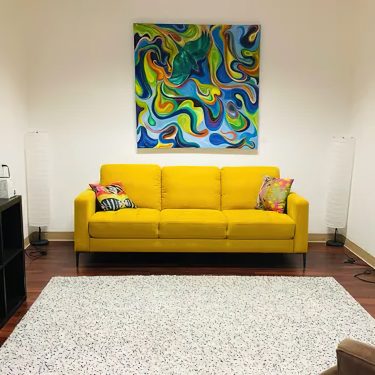
Healing Matters Psychotherapy and Wellness is a safe and inclusive space.
Ocd Treatment Hamilton
OCD treatment in Hamilton involves working with a trauma-informed therapist to understand your obsessive thoughts and compulsive behaviors, then learning evidence-based techniques to interrupt the cycle and regain control of your life.
Obsessive-Compulsive Disorder, or OCD, affects many people in Hamilton and across Ontario. It is characterized by unwanted, repetitive thoughts (obsessions) that create anxiety, followed by behaviors or mental acts (compulsions) that feel necessary to reduce that anxiety. If you are struggling with OCD, you are not alone, and recovery is possible with the right support. Healing Matters Psychotherapy specializes in helping individuals in the greater Hamilton area recognize their OCD patterns and develop practical skills to manage them. This guide will walk you through the steps to find and engage with effective OCD treatment locally.
Step 1: Recognize Your OCD Symptoms and Patterns
Before seeking treatment, it helps to understand what OCD actually looks like in your life. OCD is not simply being tidy or organized; it involves intrusive thoughts that cause real distress, followed by compulsions that feel compulsory rather than chosen. Common obsessions include fear of harm, contamination worries, need for symmetry, or unwanted aggressive or taboo thoughts. Compulsions might be washing, checking, arranging, counting, or mental rituals designed to neutralize the anxiety.
Write down what you have noticed about your own experience. When do the obsessive thoughts arrive? What triggers them? What do you do to try to make the anxiety go away? This self-awareness is valuable when you meet with a therapist. It shows patterns that might not be obvious in the moment but become clear when documented. Many people in Hamilton have found that simply naming their OCD-recognizing it as a condition rather than a personal failing-is the first step toward hope.
Step 2: Reach Out to a Trauma-Informed Therapist in Your Area
Finding the right therapist matters. Look for a mental health professional in Hamilton who has specific training and experience in OCD treatment. Trauma-informed therapy is particularly valuable because OCD often develops or worsens after difficult life experiences, and a therapist trained in this approach understands how past events shape present symptoms. Healing Matters Psychotherapy brings over 27 years of integrative experience to their work with OCD, creating a safe, non-judgmental space where you can explore your condition without shame.
When you contact a therapist, tell them directly that you think you have OCD and ask whether they have experience treating it. Not all counselors specialize in this condition, and you deserve someone who does. A good therapist will ask detailed questions about your symptoms, how long they have affected you, and what impact they are having on your daily life, work, and relationships. This conversation is not invasive; it is the foundation for a treatment plan tailored to you.
Step 3: Understand and Engage With Evidence-Based Treatment Approaches
The most effective psychological treatment for OCD is called Cognitive Behavioral Therapy, or CBT, particularly a specialized form called Exposure and Response Prevention, or ERP. Think of your OCD like a smoke alarm that is too sensitive: it sounds constantly even when there is no fire. ERP teaches you to sit with the discomfort of the alarm without performing the actions that silence it, so the alarm gradually stops triggering. Over time, your brain learns that the feared outcome does not actually occur, and the obsessions lose their power.
Your therapist will work with you to identify your specific obsessions and compulsions, then gradually introduce exposures to the thoughts or situations that trigger anxiety. This is done at a pace you can manage, never forcing you beyond what is bearable. Alongside exposure, your therapist will help you resist the urge to perform compulsions, which is the response prevention part. This might sound uncomfortable, and it is honest to say that healing requires some discomfort, but the relief that follows makes it worthwhile. Many people report significant symptom reduction within 12 to 20 sessions, though timelines vary. Healing Matters Psychotherapy tailors this approach to your unique situation, honoring your pace while gently moving you toward change.
Step 4: Build a Support System and Commit to Your Recovery
Recovery from OCD is not something you do alone in a therapist's office. It is something you practice every day in your real life. Talk to trusted people-a partner, family member, or close friend-about what you are working on in therapy. You do not need to share every detail, but letting others know that you are taking steps to manage your OCD helps them understand your needs and can prevent them from accidentally reinforcing compulsions. For example, if you are working on reducing reassurance-seeking, your support people can gently decline to provide it, even though that feels kind in the moment.
Also commit to the work between sessions. Your therapist will assign you homework: exposure exercises, thought records, or behavioral experiments designed to challenge your OCD beliefs. This is where the real healing happens. Many people find it helpful to track their progress-noting which obsessions feel less intense, which compulsions you have resisted, and how your quality of life is improving. If you live in Hamilton or the surrounding area and feel ready to begin, reaching out to Healing Matters Psychotherapy is the next concrete step. They understand OCD deeply and are ready to help you move from struggle to stability. Treatment works, and you deserve support from someone who believes in your capacity to heal.
Frequently Asked Questions
Is there OCD treatment available near Hamilton, Ontario?
Yes. Healing Matters Psychotherapy in Hamilton offers specialized OCD treatment using evidence-based approaches like Cognitive Behavioral Therapy and Exposure and Response Prevention. The practice has over 27 years of experience and takes a trauma-informed approach that helps many individuals in the greater Hamilton area reduce symptoms and regain control of their lives.
How long does it typically take to see results from OCD treatment?
Many people experience meaningful symptom reduction within 12 to 20 sessions, though timelines vary based on the severity of symptoms, how long OCD has been present, and your engagement with the treatment process. Consistent practice of techniques between sessions accelerates progress.
What is the difference between OCD and just being organized?
OCD involves intrusive, unwanted thoughts that cause genuine distress, followed by compulsions that feel necessary to perform. Being organized or preferring neatness is a choice that feels good. OCD feels driven and distressing, often taking up significant time and interfering with work, relationships, or daily activities.
CONTACT US
QUESTIONS?
Please do not hesitate to contact us with any questions you may have, or to book your free consultation.
HEALING MATTERS PSYCHOTHERAPY AND WELLNESS
Main Office
430 York Blvd., Hamilton ON (Free Parking) At the Hamilton Centre for Personal Development
Second Location
664 Golf Club Rd, Hamilton, ON L0R 1P0
(905) 921-6340
HOURS
Tuesday to Friday 10:00 am – 8:00 pm
Saturday 10 AM to 3 PM
By appointment only