




toward a healthier tomorrow. We’re glad you’re here. Together,
we’ll work toward clarity, balance, and peace.

Psychotherapy in Hamilton

ADDICTION AND MENTAL HEALTH
Addiction and Mental Health effects both the individual and family.
Over 27 years of current and integrative experience will support you or your loved ones with the impact of addiction or mental health.

CONFLICT RESOLUTION
(COUPLES AND FAMILY)
Relationships can be difficult to manage and are stuck in unhealthy cycles. Enhancement of communication skills, exploring why and how you may push each other apart and supportive understanding of each other, can create healthier relationships and assist you to step out of these cycles. Healing Matters Psychotherapy is a poly friendly service.

PERSONAL DEVELOPMENT
Are you ready to make changes?
Often, individuals seek therapy because they have specific issues to address, or wish to experience personal growth, however may be unsure of what to focus on, or how. We are more successful in creating changes when we have support.

GRIEF AND LOSS
Grief has no rules, and no timelines, effecting emotions, behaviours, thoughts and our bodies. Grief can contribute to individuals feeling stuck and not knowing how manage intense emotional pain. Healing Matters Psychotherapy and Wellness will support you in your individualized experience of grief and loss.

TRAUMA AND PTSD
Trauma impacts individuals emotionally, mentally, physically and psychologically. This can overwhelm one’s ability to cope and have long lasting effects.
Healing Matters Psychotherapy uses evidence based techniques and therapeutic modalities to support individuals and and families in an a safe, trauma informed space.
SAFE SPACE
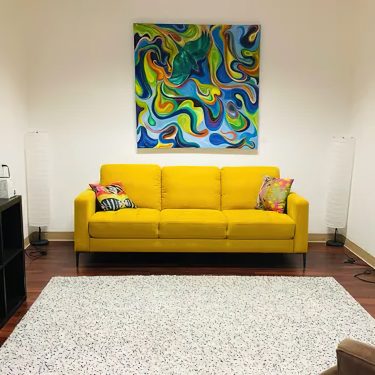
Healing Matters Psychotherapy and Wellness is a safe and inclusive space.
Mood And Personality Disorder Therapy Hamilton
Mood and personality disorder therapy in Hamilton is a specialized form of mental health counseling designed to help adults understand and manage conditions that affect emotional regulation, self-perception, and relationships. Healing Matters Psychotherapy offers this care with over 27 years of integrative clinical experience, combining evidence-based approaches with a trauma-informed perspective tailored to the needs of Hamilton residents and the broader Greater Hamilton Area.
1. Mood Disorders and Personality Disorders Require Different Assessment Approaches
Mood disorders-such as depression and anxiety-primarily affect how a person feels and regulate emotions across time. Personality disorders, by contrast, reflect long-standing patterns in how someone perceives themselves, relates to others, and responds to stress. Because the root causes differ, assessment must be thorough and precise. Healing Matters Psychotherapy conducts careful diagnostic evaluation to distinguish between these presentations, ensuring treatment targets the actual source of distress rather than symptoms alone.
This distinction matters because a person might experience depressive symptoms that arise from a personality pattern rather than a mood episode, or vice versa. Clinicians in Hamilton working with these conditions spend time understanding your history, current triggers, and relational patterns before recommending a treatment plan. Misdiagnosis or overlooking these differences often leads to ineffective therapy or unnecessary medication trials.
2. Trauma-Informed Care Is Essential When Personality or Mood Patterns Developed in Response to Early Adversity
Many mood and personality patterns originate in or are worsened by past trauma, loss, or relational injury. Healing Matters Psychotherapy uses trauma-informed methods that recognize this connection, meaning therapists understand how your nervous system may have adapted to protect you in the past-and how those same protective patterns now create difficulty. This framework is especially important because standard therapy approaches can sometimes feel retraumatizing if safety and pacing are not prioritized from the start.
Trauma-informed practice in Hamilton counseling looks like: therapists explaining what they are doing and why before doing it, offering choices about how sessions are structured, and working at a pace that allows your nervous system to feel safe. Because Healing Matters grounds its practice in this understanding, clients often report that therapy itself becomes a corrective experience-a place where they learn they can trust, be heard, and change without being pushed.
3. Evidence-Based Modalities Address Both Acute Symptoms and Underlying Patterns
Effective therapy for mood and personality concerns combines approaches proven to reduce immediate distress with longer-term work on relational and self-perception patterns. Cognitive-behavioral methods help clients recognize thought patterns and build coping skills; psychodynamic and integrative approaches explore how past experiences shape present functioning; and attachment-focused work addresses relational patterns underlying many personality-based struggles. Healing Matters Psychotherapy draws on integrative methods, meaning treatment is designed around what will help you, not locked into one modality.
The evidence shows that combining symptom management with pattern awareness produces better long-term outcomes than either alone. For example, someone managing anxiety may benefit from immediate grounding techniques while also exploring where that anxiety originates-perhaps in a pattern of perfectionism or fear of abandonment rooted in earlier experience. Treatment in Hamilton typically lasts weeks to months for acute concerns and longer when addressing deeper personality patterns.
4. Individual, Couples, and Family Work May All Be Part of Treatment
Mood and personality difficulties do not exist in isolation-they affect and are affected by your closest relationships. individual counselling provides space to explore your inner world and build self-awareness; couples therapy addresses how patterns play out between partners and rebuilds connection; family work helps everyone understand dynamics that may have contributed to current struggles. Healing Matters Psychotherapy offers all three, and often the most effective approach weaves between them.
For instance, someone working through anxiety and self-doubt may benefit from individual therapy to build confidence, then couples counselling to improve communication with their partner, especially if the relationship has been strained by the struggle. Because therapists at Healing Matters understand how these layers interact, they can recommend the right fit or combination for your situation. This flexibility is especially valuable in Hamilton, where many clients are navigating both personal mental health and relationship repair simultaneously.
5. Recovery Is Possible, and Progress Often Becomes Visible Within Weeks
Perhaps the most important thing to know is that mood and personality concerns respond well to skilled, sustained therapeutic work. People often worry that personality patterns are "fixed" or that they will be in therapy indefinitely. The reality is more hopeful: with the right therapeutic relationship and approach, clients begin noticing changes in how they feel, relate, and think about themselves relatively quickly. Some shifts-reduced anxiety, better sleep, clearer thinking-can appear in the first month. Deeper changes in how you relate to others or view yourself typically emerge over several months.
Healing Matters Psychotherapy measures progress not just by symptom reduction but by improvements in how you function in relationships, work, and daily life. Therapists collaborate with you to identify what healing looks like for you specifically, then track movement toward those goals. Many people find that after initial hesitation about seeking help, they wish they had started sooner-both because improvement happens and because having skilled support makes the process feel less lonely and more manageable.
If you are experiencing mood shifts, patterns in relationships that keep repeating, or a sense that something in how you relate to yourself or others needs to shift, reaching out to Healing Matters Psychotherapy is a meaningful first step. The team in Hamilton understands the complexity of mood and personality concerns and approaches each person with genuine compassion and professional expertise. You can connect with them to explore whether therapy is right for you and what that support might look like.
Frequently Asked Questions
What is the difference between a mood disorder and a personality disorder?
A mood disorder primarily affects emotional states and regulation-how you feel over time-while a personality disorder reflects long-standing patterns in how you perceive yourself, relate to others, and respond to stress. Someone with depression experiences a shift in mood; someone with a personality pattern experiences a consistent way of being across relationships and situations. Both can coexist and may require different treatment approaches.
How long does mood and personality disorder therapy typically take?
Treatment length varies depending on the concern and your goals. Acute mood symptoms may show improvement within weeks to a few months; deeper personality pattern work often continues for several months to a year or more. Healing Matters Psychotherapy works collaboratively with you to set realistic timelines and regularly check progress toward your specific goals.
Is therapy for mood and personality disorders covered by insurance in Hamilton?
Coverage varies depending on your private insurance plan or benefits. Many extended health plans cover counseling and psychotherapy to varying degrees. We recommend contacting your insurance provider or speaking directly with Healing Matters Psychotherapy to understand what coverage may apply to your situation.
Can mood and personality concerns be treated without medication?
Many people benefit significantly from therapy alone; others find that combining therapy with medication prescribed by a physician works best. Healing Matters Psychotherapy does not prescribe medication but works collaboratively with medical providers if medication is part of your care plan. This is a conversation to have with your therapist and doctor together.
What makes trauma-informed therapy different for mood and personality work?
Trauma-informed practice recognizes that mood and personality patterns often developed as adaptive responses to past adversity. This approach emphasizes safety, choice, and pacing throughout therapy, understanding that your patterns protected you once and now may need to evolve. It also prevents therapy itself from feeling retraumatizing.
How does couples therapy help when one partner has a mood or personality concern?
Couples therapy addresses how one partner's struggles affect the relationship dynamic and how relational patterns may intensify or maintain those struggles. It creates space for both partners to be heard, reduces blame, and rebuilds connection. Healing Matters offers couples counselling specifically designed to address these patterns while supporting individual healing.
Are there therapists in Hamilton who specialize in personality patterns and mood concerns?
Yes. Healing Matters Psychotherapy offers specialized counseling for mood and personality concerns with over 27 years of integrative experience. Their therapists use trauma-informed, evidence-based approaches and can work with you individually, as a couple, or as a family depending on what serves you best.
CONTACT US
QUESTIONS?
Please do not hesitate to contact us with any questions you may have, or to book your free consultation.
HEALING MATTERS PSYCHOTHERAPY AND WELLNESS
Main Office
430 York Blvd., Hamilton ON (Free Parking) At the Hamilton Centre for Personal Development
Second Location
664 Golf Club Rd, Hamilton, ON L0R 1P0
(905) 921-6340
HOURS
Tuesday to Friday 10:00 am – 8:00 pm
Saturday 10 AM to 3 PM
By appointment only