



toward a healthier tomorrow. We’re glad you’re here. Together,
we’ll work toward clarity, balance, and peace.

Psychotherapy in Hamilton

ADDICTION AND MENTAL HEALTH
Addiction and Mental Health effects both the individual and family.
Over 27 years of current and integrative experience will support you or your loved ones with the impact of addiction or mental health.
CONFLICT RESOLUTION
(COUPLES AND FAMILY)
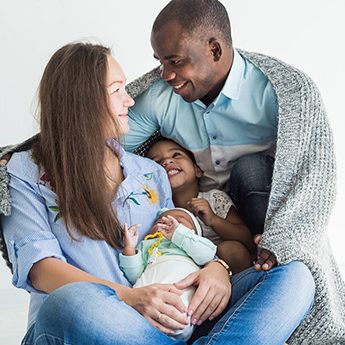
Relationships can be difficult to manage and are stuck in unhealthy cycles. Enhancement of communication skills, exploring why and how you may push each other apart and supportive understanding of each other, can create healthier relationships and assist you to step out of these cycles. Healing Matters Psychotherapy is a poly friendly service.

PERSONAL DEVELOPMENT
Are you ready to make changes?
Often, individuals seek therapy because they have specific issues to address, or wish to experience personal growth, however may be unsure of what to focus on, or how. We are more successful in creating changes when we have support.

GRIEF AND LOSS
Grief has no rules, and no timelines, effecting emotions, behaviours, thoughts and our bodies. Grief can contribute to individuals feeling stuck and not knowing how manage intense emotional pain. Healing Matters Psychotherapy and Wellness will support you in your individualized experience of grief and loss.

TRAUMA AND PTSD
Trauma impacts individuals emotionally, mentally, physically and psychologically. This can overwhelm one’s ability to cope and have long lasting effects.
Healing Matters Psychotherapy uses evidence based techniques and therapeutic modalities to support individuals and and families in an a safe, trauma informed space.

SAFE SPACE
Healing Matters Psychotherapy and Wellness is a safe and inclusive space.
Healing From Trauma Hamilton
Healing from trauma in Hamilton begins with understanding that recovery is possible and that professional support makes a measurable difference. Trauma leaves a mark on how we think, feel, and move through the world, but with the right approach and compassionate guidance, people heal every day. Healing Matters Psychotherapy has supported individuals and families across Hamilton, Ontario for over 27 years, helping people process difficult experiences and reclaim their sense of safety and purpose.
This guide walks you through the essential steps of trauma recovery. You will learn how to recognize what you are experiencing, stabilize your nervous system, process what happened, and rebuild a life that feels whole again. Whether you are dealing with a single overwhelming event or the lingering effects of repeated harm, these steps provide a foundation. Many people in Hamilton and the surrounding region benefit from combining this knowledge with professional trauma therapy.
Step 1: Recognize and Name Your Experience
The first step toward healing is acknowledging that what you experienced was real and that your response to it makes sense. Trauma is not weakness; it is the normal human reaction to abnormal or overwhelming events. When your nervous system encounters something it perceives as a serious threat-whether physical danger, loss, violation, or prolonged stress-it reacts by activating survival responses: fight, flight, freeze, or fawn. These reactions keep you safe in the moment, but when trauma stays unprocessed, these protective patterns can linger and shape your daily life.
Take time to identify what happened and how it affected you. You might notice changes in sleep, concentration, mood, relationships, or your sense of safety. You might find yourself avoiding certain places or people, or experiencing unexpected emotional or physical responses to reminders of the event. Writing down what you observe-without judgment-is a powerful first step. This clarity matters because you cannot address what remains unnamed. Many people in Hamilton find that putting their experience into words, even in a private journal, begins to separate the event itself from the ongoing impact it has on their life today.
Step 2: Stabilize Your Nervous System
Before diving into processing what happened, your nervous system needs tools to feel safe again. Think of your nervous system like an alarm system that has been triggered. Even when the danger has passed, the alarm stays active. Stabilization teaches your body that the present moment is safe, which creates the foundation for deeper healing work.
Begin with simple grounding techniques you can use daily. The 5-4-3-2-1 method is one example: notice five things you can see, four you can touch, three you can hear, two you can smell, and one you can taste. This simple practice brings your attention to the here-and-now, away from memories or anxious thoughts about the future. Breathing exercises are equally valuable; try breathing in for a count of four, holding for four, and exhaling for four. Gentle movement like walking, stretching, or swimming helps discharge the stress stored in your body. Consistency matters more than intensity-ten minutes of daily practice builds real resilience.
Beyond these techniques, creating a safe physical environment supports your nervous system. This might mean keeping your bedroom calm and comfortable, limiting exposure to triggering news or media, or establishing routines that feel predictable and grounding. Professional trauma therapy, such as trauma-focused cognitive behavioral therapy or EMDR (Eye Movement Desensitization and Reprocessing), offers structured methods to help your nervous system process fear memories while staying grounded. Many clients at Healing Matters Psychotherapy in Hamilton begin with stabilization work, building capacity before moving to deeper processing.
Step 3: Process Your Experience in a Safe Relationship
Trauma often leaves people feeling isolated, ashamed, or unable to trust others. Healing requires moving through this alone-ness by processing the experience with someone who is genuinely safe, trained, and present. This is where professional trauma therapy becomes transformative. A trauma-informed therapist creates what therapists call a corrective emotional experience: you share something painful in a space where you are believed, respected, and not re-traumatized.
During this phase, you will work with your therapist to gradually approach the memories, emotions, and beliefs that trauma created. This is not about forcing yourself to relive the event; it is about gently untangling the meaning you made from it. Many trauma survivors develop beliefs like "I am unsafe," "I cannot trust anyone," or "I am broken." These beliefs, once protective, now limit your life. With professional support, you can examine these beliefs and gradually replace them with a more accurate, compassionate understanding of what happened and who you are. Individual counselling and therapy at Healing Matters Psychotherapy in Hamilton is specifically designed for this work, using evidence-based methods tailored to your needs. The therapeutic relationship itself-the experience of being heard and accepted-becomes part of the healing.
Step 4: Rebuild Meaning and Reconnect With Life
The final phase of trauma recovery is integration and meaning-making. You cannot undo what happened, but you can decide what it means going forward and how it shapes your choices without controlling your life. Many people discover that processing trauma opens them to deeper self-awareness, stronger relationships, and renewed purpose. This phase often feels like gradually turning the volume down on the trauma story so that other chapters of your life become audible again.
During this time, intentionally reconnect with activities, relationships, and values that matter to you. If trauma isolated you from friends or family, small steps toward reconnection-a coffee with a trusted person, attending a community group, volunteering for a cause you care about-rebuild your sense of belonging. If you have lost touch with joy or meaning, explore what once brought you alive or what calls to you now. For people in Hamilton dealing with relationship strain caused by trauma, couples counselling and therapy can help partners understand each other's experience and rebuild safety and intimacy together. Grief counselling may also be part of this phase if you are mourning losses the trauma created. Over time, the event becomes part of your history rather than the center of your identity.
If you are ready to begin or deepen your healing journey, Healing Matters Psychotherapy welcomes you. With over 27 years of trauma-informed practice in Hamilton and the Greater Hamilton Area, they understand both the complexity of trauma recovery and the resilience that lives within you. You can reach out to learn more about their approach and how they might support your healing.
Frequently Asked Questions
How long does it typically take to heal from trauma?
Healing timelines vary based on the nature of the trauma, your existing support system, and the type of therapy you pursue. Some people notice significant shifts within weeks; others benefit from ongoing therapy over months or years. What matters is consistent, compassionate work with a trained professional. Healing Matters Psychotherapy in Hamilton customizes treatment length to your specific needs rather than offering a one-size-fits-all timeline.
Is trauma therapy available in Hamilton, Ontario?
Yes. Healing Matters Psychotherapy offers trauma and PTSD therapy specifically designed for individuals and families in Hamilton and the surrounding region. They use evidence-based approaches tailored to your experience and work with all relationship structures and backgrounds in a non-judgmental environment.
Can I heal from trauma without professional help?
Many people benefit from self-care practices like grounding techniques, journaling, and community support. However, professional trauma therapy accelerates healing and helps prevent the trauma from continuing to shape your relationships, work, and sense of safety. A trauma-informed therapist has specialized training to guide you through processing that self-care alone often cannot address.
What if trauma has damaged my relationship?
Couples counselling and therapy can help partners understand how trauma affects intimacy, communication, and trust. Healing Matters Psychotherapy in the Greater Hamilton Area offers couples therapy where both partners can learn to support each other's recovery and rebuild connection after trauma has strained the relationship.
CONTACT US
QUESTIONS?
Please do not hesitate to contact us with any questions you may have, or to book your free consultation.
HEALING MATTERS PSYCHOTHERAPY AND WELLNESS
Main Office
430 York Blvd., Hamilton ON (Free Parking) At the Hamilton Centre for Personal Development
Second Location
664 Golf Club Rd, Hamilton, ON L0R 1P0
(905) 921-6340
HOURS
Tuesday to Friday 10:00 am – 8:00 pm
Saturday 10 AM to 3 PM
By appointment only