




toward a healthier tomorrow. We’re glad you’re here. Together,
we’ll work toward clarity, balance, and peace.

Psychotherapy in Hamilton

ADDICTION AND MENTAL HEALTH
Addiction and Mental Health effects both the individual and family.
Over 27 years of current and integrative experience will support you or your loved ones with the impact of addiction or mental health.
CONFLICT RESOLUTION
(COUPLES AND FAMILY)
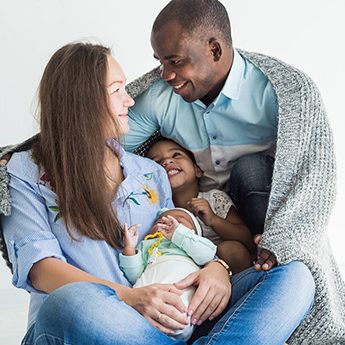
Relationships can be difficult to manage and are stuck in unhealthy cycles. Enhancement of communication skills, exploring why and how you may push each other apart and supportive understanding of each other, can create healthier relationships and assist you to step out of these cycles. Healing Matters Psychotherapy is a poly friendly service.

PERSONAL DEVELOPMENT
Are you ready to make changes?
Often, individuals seek therapy because they have specific issues to address, or wish to experience personal growth, however may be unsure of what to focus on, or how. We are more successful in creating changes when we have support.

GRIEF AND LOSS
Grief has no rules, and no timelines, effecting emotions, behaviours, thoughts and our bodies. Grief can contribute to individuals feeling stuck and not knowing how manage intense emotional pain. Healing Matters Psychotherapy and Wellness will support you in your individualized experience of grief and loss.

TRAUMA AND PTSD
Trauma impacts individuals emotionally, mentally, physically and psychologically. This can overwhelm one’s ability to cope and have long lasting effects.
Healing Matters Psychotherapy uses evidence based techniques and therapeutic modalities to support individuals and and families in an a safe, trauma informed space.

SAFE SPACE
Healing Matters Psychotherapy and Wellness is a safe and inclusive space.
Grief And Loss Therapy Hamilton
Grief and loss therapy in Hamilton is professional support designed to help you process loss-whether it is death, divorce, job loss, or other significant life changes-in a structured, compassionate environment with a trained therapist who understands the depth of what you are experiencing.
Loss is one of the most profound human experiences, yet many people feel isolated when grieving. In Hamilton, where families and individuals from all walks of life navigate change, the need for skilled, trauma-informed grief support is real. Healing Matters Psychotherapy offers grief counseling that honors your unique path through loss, without pushing you toward any particular timeline or outcome.
This guide walks you through the main therapeutic approaches to grief work, helps you understand what makes each one valuable, and shows you how to recognize which direction might serve you best right now.
Understanding the Core Approaches to Grief Work in Hamilton
Grief therapy is not one-size-fits-all. Different approaches exist because grief itself is different for everyone. Think of it like learning to swim: some people benefit from structured technique, others from gentle exploration in shallow water, and some need both. The same is true for processing loss.
Grief-focused cognitive behavioral therapy (CBT) helps you identify thoughts and beliefs about your loss that may be keeping you stuck-like guilt, anger, or the belief that you should have moved on by now. This approach is practical and direct, with clear strategies you can use between sessions. It works well when grief has tangled itself with anxiety or when you feel lost in rumination.
Meaning-centered therapy takes a different angle. Rather than "getting over" loss, this approach helps you rebuild meaning and identity after loss. If you have lost a spouse, a role as a caregiver, or a sense of who you were, this method asks: What matters now? What can I honor about what was, while building toward what comes next? Many people in Hamilton find this approach deeply resonant because it doesn't dismiss grief-it transforms it.
Attachment-based grief therapy recognizes that the relationship continues in a new form after death. You don't stop loving someone who has died; you learn to carry that love forward. This approach is especially helpful for those grieving a spouse, parent, or child, and it aligns with trauma-informed practice because it honors the bond rather than encouraging you to "let go."
Somatic and body-based methods acknowledge that grief lives in your body, not just your mind. Unprocessed grief shows up as tension, numbness, or exhaustion. These approaches help you notice and release what your nervous system is holding, which can be profoundly freeing when talking alone has reached its limit.
Comparing These Approaches: Which Fits Your Grief?
| Approach | Best For | What It Offers | Time Frame |
|---|---|---|---|
| Grief-focused CBT | Grief tangled with anxiety, depression, or rumination | Concrete tools, thought patterns, behavioral change | Typically 12-16 sessions |
| Meaning-centered therapy | Reconstructing identity and purpose after loss | New narrative, values clarification, integration | Open-ended, progresses as you heal |
| Attachment-based grief therapy | Death of a close loved one; continuing bonds matter to you | Permission to maintain connection, reframing relationship | Varies; often longer-term |
| Somatic/body-based work | Grief stored as physical tension, numbness, or dysregulation | Nervous system awareness, release, embodied healing | Integrates into ongoing therapy |
Notice that these are not competing methods-they often work together. At Healing Matters Psychotherapy, your therapist draws from multiple approaches because grief is complex. You might benefit from the practical strategies of CBT while also exploring meaning-centered work and processing grief somatically. The choice depends on where you are right now and what your nervous system needs.
Choosing Grief Counseling in Hamilton: What Matters
When you are grieving, you need more than expertise. You need safety, pace, and permission to grieve the way you grieve-not the way others expect.
Healing Matters Psychotherapy serves individuals and families across Hamilton with over 27 years of integrated experience. Because grief often surfaces or deepens trauma, the practice uses trauma-informed methods-meaning your therapist understands that your nervous system may be activated, and that healing requires stability and choice, not pressure.
Look for a therapist who:
- Normalizes grief rather than pathologizing it. Sadness after loss is not depression; confusion after loss is not dysfunction.
- Asks about your specific loss and your relationship to it. Grieving a parent at 65 is different from grieving one at 20; losing someone to sudden death differs from loss after long illness.
- Offers flexibility in pace. Some weeks you may need weekly sessions; other weeks monthly check-ins may feel right. This is normal.
- Integrates your values and beliefs. Whether you are religious, secular, or exploring spirituality, your worldview shapes how you grieve and heal.
- Works with couples and families too. Grief affects relationships; sometimes grief counseling becomes couples counseling or family work because loss reshapes how people connect.
In Hamilton, where community is strong and families are often multi-generational, grief does not happen in isolation. Healing Matters Psychotherapy recognizes that your loss touches everyone around you, and support can extend to those relationships when that would help.
If you are carrying loss-whether recent or long-standing, whether acknowledged or still unspoken-reaching out for professional support is an act of self-compassion. You do not have to move through this alone. Contact Healing Matters Psychotherapy to explore how grief counseling might serve you.
Frequently Asked Questions
How long does grief therapy usually take?
There is no standard timeline. Grief-focused CBT often runs 12-16 sessions, while meaning-centered or attachment-based work may continue longer as you integrate loss. Your therapist will help you recognize when you have the tools and stability to move forward, and sessions can decrease gradually as healing progresses.
Is there a grief counselor in Hamilton who specializes in sudden loss?
Yes. Healing Matters Psychotherapy offers trauma-informed grief counseling, which is essential for sudden or unexpected loss because your nervous system is often in shock alongside your emotional pain. This specialized approach helps you process both the trauma and the grief.
Can grief therapy help with complicated grief or grief I have carried for years?
Absolutely. Grief that has become complicated-tangled with guilt, anger, or avoidance-responds well to therapy. Long-standing grief can be integrated and transformed at any point. Your therapist will work with where you are now, not judge how long you have carried this.
What is the difference between grief counseling and grief therapy?
Grief counseling is supportive and often shorter-term, helping you navigate the immediate aftermath of loss. Grief therapy is more in-depth, addressing how loss has reshaped your identity, beliefs, and relationships. Both are valuable; which you need depends on your situation and readiness to do deeper work.
Does grief counseling in Hamilton address grief after divorce or relationship loss?
Yes. Healing Matters Psychotherapy offers grief counseling for all kinds of loss, including relationship endings, infidelity recovery, and life transitions. The loss of a relationship-even when separation was necessary-deserves the same compassionate attention as other forms of grief.
CONTACT US
QUESTIONS?
Please do not hesitate to contact us with any questions you may have, or to book your free consultation.
HEALING MATTERS PSYCHOTHERAPY AND WELLNESS
Main Office
430 York Blvd., Hamilton ON (Free Parking) At the Hamilton Centre for Personal Development
Second Location
664 Golf Club Rd, Hamilton, ON L0R 1P0
(905) 921-6340
HOURS
Tuesday to Friday 10:00 am – 8:00 pm
Saturday 10 AM to 3 PM
By appointment only