




toward a healthier tomorrow. We’re glad you’re here. Together,
we’ll work toward clarity, balance, and peace.

Psychotherapy in Hamilton

ADDICTION AND MENTAL HEALTH
Addiction and Mental Health effects both the individual and family.
Over 27 years of current and integrative experience will support you or your loved ones with the impact of addiction or mental health.

CONFLICT RESOLUTION
(COUPLES AND FAMILY)
Relationships can be difficult to manage and are stuck in unhealthy cycles. Enhancement of communication skills, exploring why and how you may push each other apart and supportive understanding of each other, can create healthier relationships and assist you to step out of these cycles. Healing Matters Psychotherapy is a poly friendly service.

PERSONAL DEVELOPMENT
Are you ready to make changes?
Often, individuals seek therapy because they have specific issues to address, or wish to experience personal growth, however may be unsure of what to focus on, or how. We are more successful in creating changes when we have support.

GRIEF AND LOSS
Grief has no rules, and no timelines, effecting emotions, behaviours, thoughts and our bodies. Grief can contribute to individuals feeling stuck and not knowing how manage intense emotional pain. Healing Matters Psychotherapy and Wellness will support you in your individualized experience of grief and loss.

TRAUMA AND PTSD
Trauma impacts individuals emotionally, mentally, physically and psychologically. This can overwhelm one’s ability to cope and have long lasting effects.
Healing Matters Psychotherapy uses evidence based techniques and therapeutic modalities to support individuals and and families in an a safe, trauma informed space.
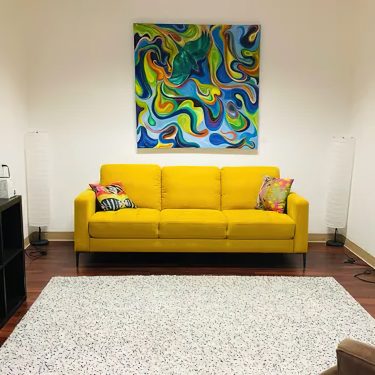
SAFE SPACE
Healing Matters Psychotherapy and Wellness is a safe and inclusive space.
Therapy For Ocd And Anxiety Hamilton
Therapy for OCD and anxiety in Hamilton is a structured process of identifying your symptoms, selecting the right support, and working with a qualified counselor to build practical coping strategies and long-term relief. Healing Matters Psychotherapy has spent over 27 years providing evidence-based treatment for both conditions in the Greater Hamilton Area, helping residents move from isolation and distress toward clarity and emotional stability.
This guide walks you through the essential steps to begin your healing journey, whether you are managing intrusive thoughts, compulsive behaviors, worry spirals, or panic. By following this process, you will understand your condition more clearly, know what to expect in therapy, and feel prepared to take action.
Step 1: Recognize the Difference Between OCD and Anxiety to Clarify What You Are Experiencing
OCD and anxiety are related but distinct conditions that often overlap, and recognizing the difference helps you communicate your struggles more effectively to a therapist. Anxiety typically involves worry about future events or situations, accompanied by physical symptoms like tension, racing thoughts, or restlessness. OCD, by contrast, involves intrusive thoughts (obsessions) that feel unwanted and distressing, followed by repetitive behaviors or mental rituals (compulsions) performed to reduce that distress. A person with OCD about contamination might wash their hands dozens of times daily; someone with health anxiety might research symptoms compulsively but without the compulsive urge to perform specific rituals.
Both conditions can coexist, and both respond well to specialized therapy. Take time to notice:
- Whether your worry centers on a specific future outcome (anxiety) or intrusive, unwanted thoughts that keep returning (OCD)
- If you perform repetitive actions or mental routines to ease distress (compulsions)
- How much time these thoughts or behaviors consume each day
- Whether the pattern has caused you to avoid certain situations, people, or activities
This self-awareness becomes invaluable when you meet with a therapist in Hamilton. Clarity about your experience helps your counselor design treatment that addresses your actual needs rather than generic anxiety management alone.
Step 2: Research and Contact a Trauma-Informed Therapy Provider in Hamilton Offering OCD and Anxiety Specialization
Not all counselors approach OCD and anxiety the same way, and seeking a provider with specific training in these conditions matters. Healing Matters Psychotherapy in Hamilton specializes in both OCD and anxiety through evidence-based methods such as Cognitive Behavioral Therapy (CBT) and exposure-based approaches proven effective for intrusive thoughts and compulsive patterns. Trauma-informed practice means your therapist understands how past experiences or current stressors compound anxiety and OCD, and they create a safe, non-judgmental space where you can speak openly.
When evaluating options in the Greater Hamilton Area, look for:
- Explicit training or experience in Exposure and Response Prevention (ERP) for OCD
- A trauma-informed approach that honors your full story, not just symptoms
- Willingness to work at your pace without judgment
- Clear communication about how therapy will unfold and what you can expect
- A therapist who sees both individuals and, if relevant, couples or families affected by these conditions
Reach out to providers directly and ask whether they have openings and what their approach entails. A good counselor will answer your questions and help you feel confident before your first session.
Step 3: Prepare for Your First Session and Commit to the Therapeutic Process
Your first appointment is a conversation, not a diagnosis delivered on the spot. Come prepared to describe your symptoms, when they started, how they affect your daily life, and what you have already tried. Bring notes if that helps you remember details. Be honest about what worries you most-whether it is contamination, harm, sexual or religious thoughts, symmetry, or something else entirely. Your therapist at Healing Matters will listen without judgment; they have worked with every presentation of OCD and anxiety across Hamilton and understand that these conditions feel very real and distressing to those who experience them.
Expect your therapist to ask about your medical history, current medications, sleep, and any major life stressors. They may also discuss your goals for therapy: Do you want to reduce compulsions, tolerate uncertainty better, return to activities you have avoided, or improve your quality of life overall? Be specific. Effective therapy requires collaboration, so your input shapes the plan. Commit to attending sessions consistently and practicing techniques between appointments. Research shows that individuals who engage actively in counseling and complete homework-whether that is anxiety tracking, gradual exposure, or mindfulness practice-see the most significant improvement.
Relief does not happen overnight, but with evidence-based therapy, most people see measurable progress within weeks to a few months. Your therapist will check in regularly on what is working and adjust the approach as needed.
If you are ready to begin this journey and live in Hamilton or the surrounding region, Healing Matters Psychotherapy welcomes your inquiry. Reach out to learn more about how their counselors can support your path to healing from OCD and anxiety.
Frequently Asked Questions
What is the difference between OCD and general anxiety, and do I need different therapy for each?
OCD involves intrusive, unwanted thoughts paired with compulsive behaviors or mental rituals; anxiety is often worry about future events without compulsions. They can coexist and require overlapping but distinct approaches. Evidence-based therapists, including those at Healing Matters in Hamilton, tailor treatment to address both-using Exposure and Response Prevention for OCD compulsions and cognitive techniques for anxiety spirals.
How long does therapy for OCD and anxiety typically take to show results?
Most people notice meaningful improvement within 4 to 12 weeks of consistent, evidence-based therapy combined with practice between sessions. The timeline depends on symptom severity, how long you have been experiencing symptoms, and your engagement in treatment. Your therapist will track progress and adjust the plan as needed.
Is therapy for OCD and anxiety in Hamilton covered by insurance?
Many extended health insurance plans cover individual counseling and psychotherapy. Coverage varies by plan, so contact your provider directly to confirm your benefits. Healing Matters can also discuss payment options and what to expect during your consultation.
Are there therapists near Hamilton who specialize in OCD treatment?
Yes, Healing Matters Psychotherapy in Hamilton offers specialized counseling for OCD using evidence-based approaches like Exposure and Response Prevention. They serve the Greater Hamilton Area and bring over 27 years of integrative therapy experience to trauma-informed, personalized treatment.
Can I manage OCD and anxiety without medication?
Therapy alone is effective for many people, particularly Cognitive Behavioral Therapy and Exposure and Response Prevention. Some individuals benefit from combining therapy with medication; this decision is best made with your doctor and therapist together. Your counselor will discuss all options during your first session.
What should I bring to my first therapy appointment for anxiety and OCD in Hamilton?
Bring any notes about when symptoms started, what triggers them, and how they affect your daily life. Have your medical history, current medications, and insurance information ready. Most importantly, come with honesty and openness-your therapist at Healing Matters creates a safe space to share whatever is on your mind.
CONTACT US
QUESTIONS?
Please do not hesitate to contact us with any questions you may have, or to book your free consultation.
HEALING MATTERS PSYCHOTHERAPY AND WELLNESS
Main Office
430 York Blvd., Hamilton ON (Free Parking) At the Hamilton Centre for Personal Development
Second Location
664 Golf Club Rd, Hamilton, ON L0R 1P0
(905) 921-6340
HOURS
Tuesday to Friday 10:00 am – 8:00 pm
Saturday 10 AM to 3 PM
By appointment only