




toward a healthier tomorrow. We’re glad you’re here. Together,
we’ll work toward clarity, balance, and peace.

Psychotherapy in Hamilton

ADDICTION AND MENTAL HEALTH
Addiction and Mental Health effects both the individual and family.
Over 27 years of current and integrative experience will support you or your loved ones with the impact of addiction or mental health.
CONFLICT RESOLUTION
(COUPLES AND FAMILY)
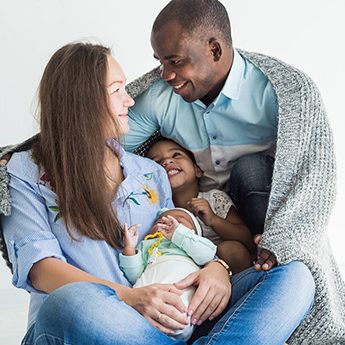
Relationships can be difficult to manage and are stuck in unhealthy cycles. Enhancement of communication skills, exploring why and how you may push each other apart and supportive understanding of each other, can create healthier relationships and assist you to step out of these cycles. Healing Matters Psychotherapy is a poly friendly service.

PERSONAL DEVELOPMENT
Are you ready to make changes?
Often, individuals seek therapy because they have specific issues to address, or wish to experience personal growth, however may be unsure of what to focus on, or how. We are more successful in creating changes when we have support.

GRIEF AND LOSS
Grief has no rules, and no timelines, effecting emotions, behaviours, thoughts and our bodies. Grief can contribute to individuals feeling stuck and not knowing how manage intense emotional pain. Healing Matters Psychotherapy and Wellness will support you in your individualized experience of grief and loss.

TRAUMA AND PTSD
Trauma impacts individuals emotionally, mentally, physically and psychologically. This can overwhelm one’s ability to cope and have long lasting effects.
Healing Matters Psychotherapy uses evidence based techniques and therapeutic modalities to support individuals and and families in an a safe, trauma informed space.
SAFE SPACE
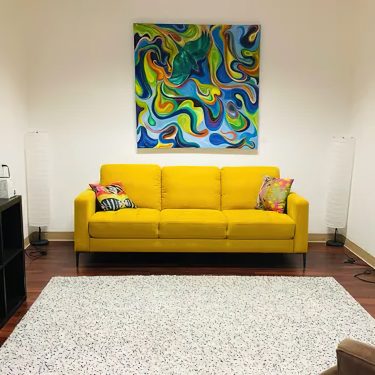
Healing Matters Psychotherapy and Wellness is a safe and inclusive space.
Senior Therapy Hamilton
Senior therapy in Hamilton is counseling and psychotherapy designed to address the unique emotional and relational challenges that emerge in the later chapters of life. Healing Matters Psychotherapy, a trauma-informed practice in Hamilton with over 27 years of integrative clinical experience, specializes in supporting older adults through retirement transitions, grief, health changes, relationship strain, and the search for meaning and connection.
What makes therapy for seniors different is not the method, but the lens. Older adults in Hamilton often face a convergence of life events: the loss of loved ones, shifts in identity after career ends, changing family dynamics, health concerns, and sometimes isolation. These circumstances create real psychological weight. The therapeutic approach must honor both the resilience built over decades and the genuine difficulty of navigating these transitions.
The Problem: Isolation and Unprocessed Loss
Margaret, a 72-year-old who had lived in Hamilton for most of her adult life, retired from her role as a high school teacher. Within months, her sense of purpose dissolved. Her husband had passed away five years earlier, and while she had mourned, she had never fully worked through the identity shift that followed: from "wife and educator" to "widow living alone." She found herself withdrawing from friends, sleeping poorly, and feeling a persistent heaviness she could not name. Her adult children, concerned but unsure how to help, suggested she speak with someone.
Margaret hesitated. She worried that therapy was for people with "real problems," or that at her age, these feelings were simply what she should expect and accept. This belief-that grief, loneliness, and identity loss are inevitable and unchangeable-is common among older adults in Hamilton and across Canada, yet it leaves people suffering unnecessarily.
The Approach: grief counselling and Identity Reconstruction
Margaret began grief counselling at Healing Matters Psychotherapy. The therapist recognized that her low mood was not depression in isolation, but an understandable response to multiple losses layered over years: the loss of her husband, the loss of her professional identity, and the loss of the daily structure that had defined her life. Rather than pathologize her experience, the approach focused on three core elements:
- Acknowledging the reality of grief without timeline pressure. Margaret learned that grief does not follow a schedule, and that five years after her husband's death, returning to unfinished emotional work was valid and healing.
- Rebuilding identity beyond past roles. Through reflective work, Margaret explored who she was now, separate from the identities of wife and teacher. This was not about "moving on," but about discovering what meaning and connection could look like in this phase of her life.
- Addressing isolation through relational reconnection. The therapist helped Margaret identify which friendships and community connections mattered most, and how to reengage with them in ways that felt authentic rather than obligatory.
Because Margaret had experienced significant loss without adequate emotional support, her body and mind had adapted by withdrawing. The therapeutic work was designed to help her understand this protective response, honor what it had done for her, and gently invite her back into connection-with grief present, but not paralyzing.
The Outcome: Renewed Purpose and Social Reconnection
Over the course of several months of regular sessions, Margaret's sleep improved. More importantly, her sense of agency returned. She began attending a book club she had abandoned, started volunteering with a literacy program at the Hamilton Public Library, and had several meaningful conversations with her adult children in which she shared parts of her grief story they had not heard before. She was still sad at times-particularly around her husband's birthday-but the sadness was now integrated into her sense of who she was, rather than something that paralyzed her.
Margaret's experience reflects what research on grief counselling and individual therapy consistently shows: older adults respond well to therapy when it is respectful of their life experience, addresses their actual concerns, and helps them reconstruct meaning rather than simply "get over" their losses. Healing Matters Psychotherapy's trauma-informed approach means the therapist understood that Margaret's withdrawal was not stubbornness or depression alone, but an adaptive response to compounded grief that needed professional unpacking.
Why Senior Therapy Matters in Hamilton
Hamilton is a city with a diverse and aging population. Many residents have deep roots here, strong community ties, and also significant life histories that include real losses and transitions. The mental health support older adults need often differs from what younger clients seek: less about managing anxiety or navigating early adulthood, more about processing accumulated grief, maintaining cognitive and emotional vitality, navigating health transitions, and sustaining meaningful relationships.
Individual counselling for seniors at Healing Matters Psychotherapy is grounded in evidence-based practice, but delivered with the understanding that a 70-year-old's experience of loss, change, and resilience carries different weight than a 35-year-old's. The practice also works with couples navigating retirement together, families managing end-of-life decisions, and individuals processing complicated relationships with adult children or aging parents.
If you are an older adult in Hamilton experiencing grief, isolation, identity confusion, or relationship strain, or if you are concerned about a parent or older loved one, Healing Matters Psychotherapy offers a compassionate space to explore what you are facing. You do not need a crisis to seek support-transitions and unresolved feelings are reason enough. Reach out to learn more about how therapy can support you through this season of your life.
Frequently Asked Questions
Is therapy helpful for older adults, or is it too late to address long-standing issues?
Therapy is highly effective for older adults. Decades of research shows that people of all ages benefit from counseling, particularly around grief, life transitions, and relationship repair. Many older adults find therapy uniquely valuable because they have the self-awareness and life perspective to engage meaningfully with their experiences. It is never too late to process old losses or build new patterns.
What kind of therapy works best for seniors dealing with grief?
Grief counselling tailored to older adults typically combines acknowledgment of loss with identity work and relational reconnection. Trauma-informed approaches are particularly helpful because they understand grief not as pathology but as an adaptive response that may need gentle unpacking. Individual therapy focuses on your specific losses and what meaning-making looks like for you now.
How much does senior therapy cost in Hamilton?
Therapy costs vary depending on the therapist, session length, and whether you have insurance coverage. Contact Healing Matters Psychotherapy directly to discuss fees and whether your coverage applies. Many people find that the investment in their mental health and emotional wellbeing during this important life stage yields significant value.
Can couples therapy help a retired couple reconnect after decades together?
Yes. Retirement often brings couples closer together or exposes relationship strains that were masked by work and routine. Couples counselling helps partners navigate this transition, rebuild intimacy, address unresolved conflict, and rediscover shared purpose. Many couples find that working with a therapist in this phase strengthens their connection.
Is there a therapist in Hamilton who specializes in working with older adults?
Healing Matters Psychotherapy serves older adults across the greater Hamilton area with trauma-informed, evidence-based counseling. The practice has over 27 years of integrative experience and welcomes seniors navigating grief, life transitions, relationship challenges, and personal growth.
What if I have never been to therapy before and I am not sure how to start?
Starting therapy as an older adult is straightforward. You can reach out to Healing Matters Psychotherapy to describe what you are facing, and they will help you understand the process and what to expect. Many first-time clients find that a brief conversation with the practice clarifies how therapy can help your specific situation.
CONTACT US
QUESTIONS?
Please do not hesitate to contact us with any questions you may have, or to book your free consultation.
HEALING MATTERS PSYCHOTHERAPY AND WELLNESS
Main Office
430 York Blvd., Hamilton ON (Free Parking) At the Hamilton Centre for Personal Development
Second Location
664 Golf Club Rd, Hamilton, ON L0R 1P0
(905) 921-6340
HOURS
Tuesday to Friday 10:00 am – 8:00 pm
Saturday 10 AM to 3 PM
By appointment only