




toward a healthier tomorrow. We’re glad you’re here. Together,
we’ll work toward clarity, balance, and peace.

Psychotherapy in Hamilton

ADDICTION AND MENTAL HEALTH
Addiction and Mental Health effects both the individual and family.
Over 27 years of current and integrative experience will support you or your loved ones with the impact of addiction or mental health.

CONFLICT RESOLUTION
(COUPLES AND FAMILY)
Relationships can be difficult to manage and are stuck in unhealthy cycles. Enhancement of communication skills, exploring why and how you may push each other apart and supportive understanding of each other, can create healthier relationships and assist you to step out of these cycles. Healing Matters Psychotherapy is a poly friendly service.

PERSONAL DEVELOPMENT
Are you ready to make changes?
Often, individuals seek therapy because they have specific issues to address, or wish to experience personal growth, however may be unsure of what to focus on, or how. We are more successful in creating changes when we have support.

GRIEF AND LOSS
Grief has no rules, and no timelines, effecting emotions, behaviours, thoughts and our bodies. Grief can contribute to individuals feeling stuck and not knowing how manage intense emotional pain. Healing Matters Psychotherapy and Wellness will support you in your individualized experience of grief and loss.

TRAUMA AND PTSD
Trauma impacts individuals emotionally, mentally, physically and psychologically. This can overwhelm one’s ability to cope and have long lasting effects.
Healing Matters Psychotherapy uses evidence based techniques and therapeutic modalities to support individuals and and families in an a safe, trauma informed space.
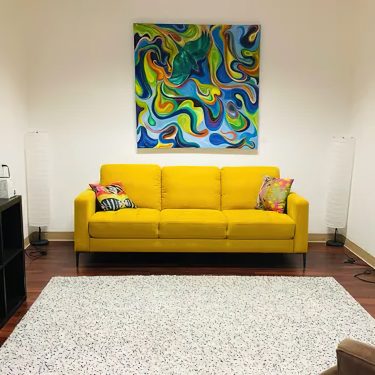
SAFE SPACE
Healing Matters Psychotherapy and Wellness is a safe and inclusive space.
Panic Disorder Counselling Hamilton
Panic disorder counselling in Hamilton connects you with trauma-informed therapists trained to help you understand and manage panic attacks through evidence-based techniques.
Healing Matters Psychotherapy specializes in anxiety and panic support across Hamilton and the Greater Hamilton Area. This guide walks you through five essential steps to access effective counselling, from recognizing when you need help to beginning your first session with a compassionate, experienced therapist.
Step 1: Recognize the Signs You Need Professional Support
Panic disorder involves recurring, unexpected panic attacks-sudden surges of intense fear accompanied by physical symptoms. These include rapid heartbeat, shortness of breath, chest pain, dizziness, trembling, or a sense of impending doom. Because these symptoms can feel life-threatening, many people delay seeking help or misattribute them to medical emergencies.
If you experience panic attacks that disrupt your daily life, cause you to avoid certain places or situations, or persist for more than a few weeks, professional support is valuable. Healing Matters Psychotherapy recognizes that panic disorder responds well to targeted counselling, and early intervention prevents the condition from deepening. You do not need to manage this alone, and reaching out is a sign of strength, not weakness.
Step 2: Understand What Panic Disorder Counselling Involves
Effective panic disorder treatment typically combines psychoeducation, cognitive-behavioural techniques, and somatic (body-based) interventions. Your therapist will teach you how panic operates in your nervous system, explain the physical symptoms you experience, and introduce grounding and breathing strategies you can use during or before an attack.
Healing Matters Psychotherapy uses trauma-informed approaches because panic often co-exists with past trauma or anxiety rooted in earlier experiences. The counselling process typically involves:
- Learning to identify triggers and thought patterns that fuel panic
- Practising exposure techniques in a safe environment to reduce avoidance
- Developing coping tools and self-regulation skills
- Exploring any underlying trauma or life stressors contributing to panic
- Building confidence and resilience as your symptoms improve
Sessions are confidential, non-judgmental, and paced to your comfort level. Most people begin noticing shifts in their panic response within 6 to 12 weeks of consistent counselling.
Step 3: Research Qualified Therapists in Hamilton
When searching for panic disorder support in Hamilton, prioritize therapists with specific training in anxiety disorders and trauma-informed practice. Look for practitioners who explain their qualifications, approach, and experience openly, and who welcome questions about how they work.
Healing Matters Psychotherapy brings over 27 years of integrative experience and specializes in anxiety counselling alongside trauma, addiction, and relationship therapy. The practice serves individuals across Hamilton and surrounding communities, offering individual sessions in a safe, confidential setting. When you contact a therapist, ask about their experience with panic disorder, the techniques they use, and whether they offer a consultation to discuss your specific situation before committing to a full course of treatment.
Step 4: Prepare for Your Initial Consultation
Before your first session, gather information about your panic symptoms: when they started, what situations trigger them, how often they occur, and how they affect your work, relationships, or daily routines. Write down any other symptoms-sleep problems, general anxiety, depression, or physical health concerns-because panic rarely exists in isolation.
Be ready to share your medical history and whether you take medications, as some physical conditions and substances can mimic or worsen panic. There is no judgment in this process; your therapist needs a clear picture to provide the right support. Bring a list of any questions or concerns you want to address. During the consultation, notice whether you feel heard, respected, and understood-the therapeutic relationship itself is a key part of healing.
Step 5: Commit to the Counselling Process and Practice Skills Between Sessions
Effective panic disorder treatment requires ongoing participation between sessions. Your therapist will teach you techniques-such as controlled breathing, progressive muscle relaxation, or grounding exercises-and ask you to practise these regularly, even when you feel calm. Because panic thrives on avoidance, you may also be encouraged to gradually face situations you have been avoiding, building confidence step by step.
Progress is not always linear; some weeks may feel easier than others. This is normal and expected. Consistency matters more than perfection. By showing up for sessions, being honest about your struggles, and applying the skills you learn, you create the conditions for genuine, lasting change. Many people find that within several months of committed counselling, their panic attacks diminish significantly in frequency and intensity, and their overall sense of safety and control returns.
If you are struggling with panic attacks in Hamilton, Healing Matters Psychotherapy is ready to support you. Reach out to discuss how anxiety and panic counselling can help you reclaim your peace of mind and move forward with confidence.
Frequently Asked Questions
What is the difference between panic attacks and panic disorder?
A panic attack is a single episode of intense fear with physical symptoms lasting minutes to an hour. Panic disorder involves recurrent, unexpected panic attacks followed by persistent worry about having more attacks or changing your behaviour to avoid them. If you experience multiple attacks over weeks or months, professional support becomes important.
How long does panic disorder counselling usually take?
Most people begin noticing improvement within 6 to 12 weeks of consistent weekly or bi-weekly sessions. Full recovery typically takes 3 to 6 months, depending on the severity of your panic, how long you have experienced it, and how actively you practise skills between sessions. Your therapist will discuss a realistic timeline with you based on your specific situation.
Can I manage panic disorder without medication?
Counselling and therapy are highly effective for panic disorder on their own. Many people recover through behavioural techniques, cognitive work, and skill-building without medication. Some people benefit from combining therapy with medication prescribed by a physician. This is a decision to make with your doctor and therapist based on your needs.
Is there panic disorder counselling available near me in Hamilton?
Yes. Healing Matters Psychotherapy offers individual anxiety and panic counselling across Hamilton and the Greater Hamilton Area. You can contact them to discuss your needs and book a consultation with a therapist experienced in panic disorder treatment.
What happens if I have a panic attack during a therapy session?
Your therapist is trained to support you safely if panic arises during a session. In fact, managed exposure to panic symptoms in a safe, controlled environment is often part of effective treatment. Your therapist will guide you through grounding or breathing techniques and help you understand what you experienced, turning the moment into a learning opportunity.
Will my therapist judge me for having panic disorder?
No. Panic disorder is a common, treatable condition, and therapists who specialize in anxiety work with it regularly. Healing Matters Psychotherapy uses trauma-informed, non-judgmental practice that normalizes seeking help and creates a safe space for you to be honest about your struggles without shame.
Can trauma-informed therapy help if my panic is connected to past trauma?
Yes. Many people with panic disorder have underlying trauma or past adverse experiences that contribute to their anxiety response. Trauma-informed therapy addresses both the panic symptoms and the root causes, helping your nervous system feel safer and more regulated over time.
CONTACT US
QUESTIONS?
Please do not hesitate to contact us with any questions you may have, or to book your free consultation.
HEALING MATTERS PSYCHOTHERAPY AND WELLNESS
Main Office
430 York Blvd., Hamilton ON (Free Parking) At the Hamilton Centre for Personal Development
Second Location
664 Golf Club Rd, Hamilton, ON L0R 1P0
(905) 921-6340
HOURS
Tuesday to Friday 10:00 am – 8:00 pm
Saturday 10 AM to 3 PM
By appointment only