



toward a healthier tomorrow. We’re glad you’re here. Together,
we’ll work toward clarity, balance, and peace.

Psychotherapy in Hamilton

ADDICTION AND MENTAL HEALTH
Addiction and Mental Health effects both the individual and family.
Over 27 years of current and integrative experience will support you or your loved ones with the impact of addiction or mental health.
CONFLICT RESOLUTION
(COUPLES AND FAMILY)
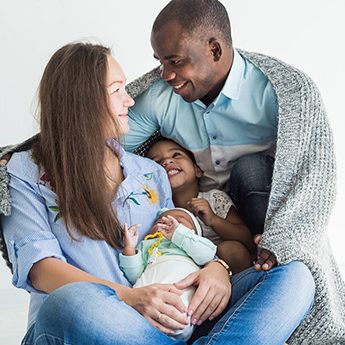
Relationships can be difficult to manage and are stuck in unhealthy cycles. Enhancement of communication skills, exploring why and how you may push each other apart and supportive understanding of each other, can create healthier relationships and assist you to step out of these cycles. Healing Matters Psychotherapy is a poly friendly service.

PERSONAL DEVELOPMENT
Are you ready to make changes?
Often, individuals seek therapy because they have specific issues to address, or wish to experience personal growth, however may be unsure of what to focus on, or how. We are more successful in creating changes when we have support.

GRIEF AND LOSS
Grief has no rules, and no timelines, effecting emotions, behaviours, thoughts and our bodies. Grief can contribute to individuals feeling stuck and not knowing how manage intense emotional pain. Healing Matters Psychotherapy and Wellness will support you in your individualized experience of grief and loss.

TRAUMA AND PTSD
Trauma impacts individuals emotionally, mentally, physically and psychologically. This can overwhelm one’s ability to cope and have long lasting effects.
Healing Matters Psychotherapy uses evidence based techniques and therapeutic modalities to support individuals and and families in an a safe, trauma informed space.
SAFE SPACE
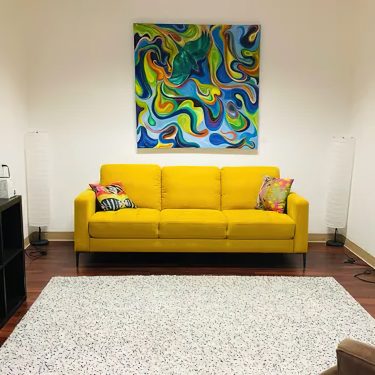
Healing Matters Psychotherapy and Wellness is a safe and inclusive space.
Life Transitions Counselling Hamilton
Life transitions counselling in Hamilton is professional support designed to help adults navigate major life changes-career shifts, relationship endings, relocation, retirement, loss, or identity questions-with clarity, emotional stability, and practical coping strategies.
Hamilton residents face the same universal transitions as people everywhere, but the pace and pressures of life in a mid-sized city create specific contexts. Whether you are managing a career pivot in Hamilton's diverse economic landscape, processing grief after loss, rebuilding after infidelity, or stepping into a new life phase, the right counselling approach makes measurable difference in how quickly you stabilize and move forward.
Healing Matters Psychotherapy offers integrative, trauma-informed counselling for adults navigating transitions across the greater Hamilton area. Their approach combines evidence-based techniques with compassionate presence, meeting you where you are without judgment. Over 27 years of clinical experience informs their work with individuals facing life change, relationship restructuring, and the emotional weight that accompanies new chapters.
Understanding Different Approaches to Transition Support
Not all transition counselling operates the same way. The primary distinction lies in the underlying therapeutic model and how a counsellor helps you process change.
Psychodynamic or insight-focused work examines how past patterns and unconscious beliefs shape your response to current transitions. This approach asks: "Why do I react this way to change?" and "What old wounds does this transition touch?" It tends to be slower, deeper, and valuable when transitions trigger disproportionate distress tied to earlier life experiences. Healing Matters Psychotherapy integrates this perspective into their practice, particularly when trauma history complicates your ability to move forward.
Cognitive-behavioural approaches focus on the thoughts and behaviours maintaining distress right now. If anxiety about an upcoming relocation is keeping you awake, cognitive-behavioural counselling teaches you to identify catastrophic thoughts, reality-test them, and build coping behaviours. This is faster, skill-based, and works well for anxiety or depression tied directly to the transition itself.
Acceptance and commitment therapy (ACT) teaches you to acknowledge difficult emotions without fighting them, then take action aligned with your values anyway. During a career transition, this means accepting uncertainty while moving toward work that matters to you, rather than waiting to feel confident first.
Somatic or body-based work recognizes that life transitions live in your nervous system-tension, sleep disruption, hypervigilance. This approach settles your physiology so your thinking brain can engage. It is particularly useful after trauma, loss, or relationship rupture.
Healing Matters Psychotherapy draws on all these orientations, tailoring the emphasis to your specific needs and how your particular transition is affecting you.
Life Transitions Counselling Hamilton: When Each Approach Works Best
| Transition Type | Best Approach | Why It Works |
|---|---|---|
| Career change, job loss, retirement | Cognitive-behavioural + values clarification | Reduces anxiety about unknowns; reconnects you with purpose and identity beyond work |
| Relationship ending, divorce, infidelity recovery | Integrative (psychodynamic + somatic + behavioural) | Addresses grief, attachment patterns, nervous system dysregulation, and practical healing simultaneously |
| Relocation, major life restructuring | Cognitive-behavioural + community/identity building | Manages anxiety; builds concrete plans and social connection in new environment |
| Loss, grief, bereavement | Psychodynamic + somatic + meaning-making | Honors complexity of grief; processes trauma of loss; reconnects you with purpose |
| Identity shifts (coming out, parenthood, health diagnosis) | Integrative with trauma sensitivity | Explores internalized beliefs; processes shame or fear; builds self-acceptance |
The most effective counselling rarely fits one category neatly. Healing Matters Psychotherapy uses an integrative methodology, meaning your counsellor assesses what you need in each session and adjusts. If you arrive anxious about a looming change, cognitive work steadies you. If you recognize that this transition echoes an earlier loss, psychodynamic exploration deepens understanding. If your body is stuck in fight-or-flight, somatic techniques reset your nervous system. This flexibility is why integrative practice, grounded in 27 years of clinical wisdom, often achieves faster, more durable results.
Key Differences: What Matters When Choosing Support
Several concrete factors distinguish effective transition counselling from generic talk therapy.
Trauma-informed stance. Life transitions often activate old wounds-abandonment, loss of control, identity confusion, shame. A trauma-informed counsellor recognizes that your distress may be proportional to what this transition means beneath the surface, not just its objective reality. They create safety first, then work with the nervous system as a partner in healing. Healing Matters Psychotherapy centers this throughout their practice with individuals, couples, and families.
Specificity to your transition. Generic anxiety counselling differs from support tailored to the particular transition you face. grief counselling, for instance, honours that loss is not pathology-it is love with nowhere to go. Infidelity recovery requires different work than career transition. A counsellor who understands the unique terrain of your specific life change moves you forward faster than one offering a standard protocol.
Integration of past and present. Some transitions trigger old pain. A relocation might reactivate childhood abandonment. A career loss might echo earlier shame or identity confusion. Integrative counselling acknowledges these layers, helping you separate what belongs to the past from what is actually happening now. This distinction alone can dramatically reduce distress.
Because unprocessed past trauma often gets activated during major life transitions, integrative, trauma-informed counselling addresses both the current change and the nervous system dysregulation that accompanies it-leading to faster, more stable recovery.
Practical skills alongside insight. Understanding why you are anxious helps; learning to manage anxiety right now helps more. The best transition counselling teaches you concrete techniques-breathing patterns, thought reframing, values clarification exercises, communication skills-that you can use immediately and carry forward.
Why Integrative Practice Works for Life Transitions in Hamilton
Healing Matters Psychotherapy's integrative approach-combining psychodynamic depth, cognitive-behavioural skill-building, somatic awareness, and trauma sensitivity-is particularly well-suited to transition work. Here is why.
Transitions are not single-dimensional. You are not just thinking about change; you are feeling it in your body, your sleep, your relationships. Your current anxiety likely connects to patterns formed years ago. You need practical tools and emotional understanding. A single-method approach misses dimensions of your experience. Integrative practice meets all of them.
Over 27 years, Healing Matters Psychotherapy has refined this integration specifically for individuals and couples navigating transitions, addiction recovery, grief, trauma, and relationship repair. They understand the particular transitions Hamilton residents face-the economic and social landscape that shapes your life choices and stressors. They work with your whole self: mind, body, nervous system, relationships, values, and history.
The outcome is faster stabilization, clearer direction, and genuine healing rather than symptom management alone. Because they address the root-not just the symptom-the changes tend to last.
Moving Forward: Starting Transition Counselling in Hamilton
If you are in the midst of a significant life change-or facing one ahead-and you want professional support to move through it with clarity and emotional resilience, Healing Matters Psychotherapy offers individual counselling tailored to your specific transition. They also offer couples counselling if your transition involves relationship change, grief counselling if loss is part of your experience, and trauma therapy if past wounds are being activated by present change.
You do not need to navigate this alone, and you do not need to wait until distress becomes unmanageable. Reaching out during transition is an act of self-care and wisdom. Contact Healing Matters Psychotherapy to explore how their integrative, compassionate approach can support you through this chapter.
Frequently Asked Questions
What is the difference between life transitions counselling and regular therapy?
Life transitions counselling focuses specifically on the psychological and emotional work of navigating major life changes-relocation, career shift, relationship ending, loss, identity change. It is goal-oriented, typically shorter-term, and targeted at helping you move through a specific life phase. Regular therapy often addresses ongoing patterns, mental health conditions, or long-standing struggles. Healing Matters Psychotherapy offers both, tailoring the focus to whether you are managing an acute transition or deeper, longer-standing patterns.
How long does transition counselling typically take?
This varies widely depending on the complexity of your transition and whether past trauma is being activated. Some people move through major transitions with 8-12 focused sessions. Others benefit from ongoing support over several months. Your counsellor at Healing Matters Psychotherapy will assess your needs and discuss a realistic timeline based on the transition you are navigating and what emerges in your work together.
Is life transitions counselling in Hamilton covered by insurance?
Many extended health insurance plans cover counselling services provided by registered psychotherapists and counsellors. Coverage varies by plan, so check your policy or contact Healing Matters Psychotherapy directly to discuss your specific insurance situation and what payment options are available.
Can couples do transition counselling together?
Yes. When both partners are navigating a shared transition-relocation, major life restructuring, career change-or when a transition in one partner affects the relationship, couples counselling provides space to process the change together. Healing Matters Psychotherapy offers couples counselling specifically designed for relationship transitions and can help you move forward as a team.
What if my life transition is tied to past trauma or grief?
Many transitions activate old wounds-abandonment, loss, identity confusion. Healing Matters Psychotherapy is trauma-informed and experienced in grief counselling, meaning they recognize and address these layers. Your counsellor will work with both the current transition and the nervous system response triggered by it, creating space for healing on both levels.
Are there life transitions counsellors available in Hamilton who work evenings or weekends?
Scheduling availability varies by counsellor. Contact Healing Matters Psychotherapy directly to discuss your availability and find appointment times that work for your schedule. They serve the greater Hamilton area and work to accommodate working adults and families.
How do I know if I need transition counselling or if I should try managing this on my own?
If a life transition is causing persistent anxiety, sleep disruption, relationship strain, difficulty concentrating, or emotional overwhelm that is affecting your daily functioning, counselling can help you move through it more smoothly and with greater confidence. Even if you are managing okay, professional support can clarify direction, process grief or loss, and help you extract meaning from the change. Reaching out is a sign of wisdom, not weakness.
CONTACT US
QUESTIONS?
Please do not hesitate to contact us with any questions you may have, or to book your free consultation.
HEALING MATTERS PSYCHOTHERAPY AND WELLNESS
Main Office
430 York Blvd., Hamilton ON (Free Parking) At the Hamilton Centre for Personal Development
Second Location
664 Golf Club Rd, Hamilton, ON L0R 1P0
(905) 921-6340
HOURS
Tuesday to Friday 10:00 am – 8:00 pm
Saturday 10 AM to 3 PM
By appointment only