



toward a healthier tomorrow. We’re glad you’re here. Together,
we’ll work toward clarity, balance, and peace.

Psychotherapy in Hamilton

ADDICTION AND MENTAL HEALTH
Addiction and Mental Health effects both the individual and family.
Over 27 years of current and integrative experience will support you or your loved ones with the impact of addiction or mental health.
CONFLICT RESOLUTION
(COUPLES AND FAMILY)
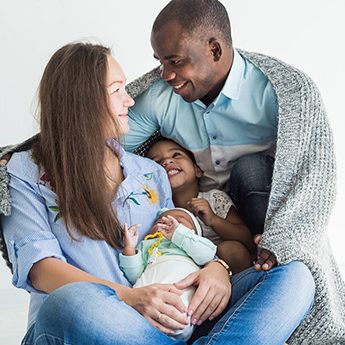
Relationships can be difficult to manage and are stuck in unhealthy cycles. Enhancement of communication skills, exploring why and how you may push each other apart and supportive understanding of each other, can create healthier relationships and assist you to step out of these cycles. Healing Matters Psychotherapy is a poly friendly service.

PERSONAL DEVELOPMENT
Are you ready to make changes?
Often, individuals seek therapy because they have specific issues to address, or wish to experience personal growth, however may be unsure of what to focus on, or how. We are more successful in creating changes when we have support.

GRIEF AND LOSS
Grief has no rules, and no timelines, effecting emotions, behaviours, thoughts and our bodies. Grief can contribute to individuals feeling stuck and not knowing how manage intense emotional pain. Healing Matters Psychotherapy and Wellness will support you in your individualized experience of grief and loss.

TRAUMA AND PTSD
Trauma impacts individuals emotionally, mentally, physically and psychologically. This can overwhelm one’s ability to cope and have long lasting effects.
Healing Matters Psychotherapy uses evidence based techniques and therapeutic modalities to support individuals and and families in an a safe, trauma informed space.
SAFE SPACE
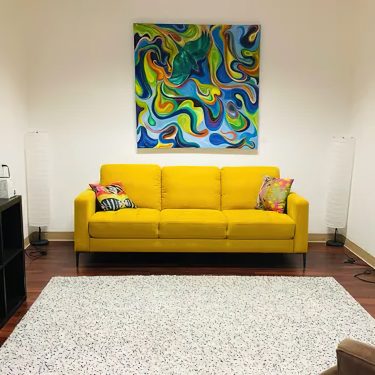
Healing Matters Psychotherapy and Wellness is a safe and inclusive space.
Integrative Therapy Hamilton
Integrative therapy in Hamilton is a counseling approach that draws on multiple evidence-based methods within a single therapeutic relationship, tailored to what each person actually needs rather than locked into one rigid framework.
If you live in Hamilton, Ontario, or the surrounding Greater Hamilton Area and you are searching for mental health support, you have likely noticed that therapy comes in many forms. Psychodynamic therapy, cognitive behavioral therapy, somatic therapy, attachment-based work-each has strengths. Integrative therapy recognizes this truth and puts it to work in your favor. Healing Matters Psychotherapy brings over 27 years of experience in this flexible, person-centered approach, combining methods that research supports with the wisdom that real healing rarely follows a single path.
This guide will help you understand what integrative therapy actually is, why it matters for the specific challenges many people in Hamilton face, and how to recognize whether this approach might be right for you.
What Integrative Therapy Actually Means
Integrative therapy is not a mix of random techniques borrowed from different schools of thought. Instead, it is a carefully considered blend of proven methods chosen because they address your unique situation. Think of it like a physician who understands anatomy, pharmacology, and physical rehabilitation all at once-they do not treat every patient the same way, and they do not ignore any tool that might help.
In Hamilton, where people face the full range of human challenges-relationship breakdown, substance use struggles, trauma, grief, anxiety, depression, and the weight of life transitions-a single theoretical approach often falls short. One person might need cognitive work to interrupt unhelpful thought patterns. Another might need to process stored trauma in their body through somatic awareness. A couple might need attachment-focused work to rebuild safety and connection. Integrative therapy makes room for all of this within the same relationship with a trained therapist who understands how these approaches complement each other.
Healing Matters Psychotherapy builds this integration on a foundation of trauma-informed care, which means every interaction is designed with awareness that many people carry invisible wounds. This framework shapes how therapists listen, the pace at which work unfolds, and the absolute priority given to your sense of safety and control.
How Integrative Therapy Addresses Common Challenges in Hamilton
People seeking help in Hamilton often arrive with layered, interconnected struggles that do not fit neatly into a single diagnosis or treatment category. A person might describe anxiety that shows up as racing thoughts, a tight chest, and avoidance-but underneath, there is often unprocessed grief, a history of feeling unsafe in relationships, or the aftermath of addiction that touched their whole family. Integrative therapy addresses these layers because it has permission to move between them.
For anxiety and depression, integrative work might begin with cognitive techniques to name and challenge distorted thinking, then shift into somatic practices that help you notice where worry lives in your body and release it. For addiction counselling, the focus extends beyond stopping the behavior to understanding what emotion or pain the substance was managing, rebuilding the relationship skills and self-worth that support lasting recovery, and often repairing the family bonds that addiction has damaged.
Couples therapy in Hamilton benefits enormously from integration. A couple stuck in conflict might start by understanding the attachment patterns that trigger them-why one person withdraws and the other pursues, for instance. Then practical communication tools help them interact differently in real time. Infidelity recovery, which demands both safety work and deep conversation, relies on moving fluidly between emotional expression, behavioral change, and the slow rebuilding of trust.
Trauma and PTSD counselling, a cornerstone of Healing Matters Psychotherapy's work, draws on trauma-informed principles alongside cognitive processing, body-based methods, and meaning-making conversations. Because trauma lives in the nervous system as well as the mind, integrative therapy gives equal weight to both.
The Role of the Therapeutic Relationship in Integration
What makes integration actually work is the quality of the relationship between you and your therapist. Because the approach is flexible, the therapist must be attentive, responsive, and skilled enough to sense when to shift direction. This requires not just technical knowledge but genuine presence and the ability to build safety.
In Hamilton, at Healing Matters Psychotherapy, this relationship is built explicitly. You are not a symptom to fix or a case to close. You are a person with a story, and the therapy unfolds in conversation. The therapist explains what they notice, why they are suggesting a particular approach, and checks whether it actually feels useful to you. This transparency matters especially for people who have experienced broken trust, which includes many individuals dealing with trauma, addiction, or relationship betrayal.
The non-judgmental environment is not simply a pleasant backdrop-it is essential to the work. Shame silences people and keeps painful material locked away. When you know your therapist has truly heard countless stories like yours and sees your struggle with compassion rather than judgment, the work can actually begin.
What to Expect in an Integrative Therapy Process
If you begin therapy with an integrative practice in Hamilton, early sessions focus on understanding your history, your current struggle, and what brought you in. Your therapist is listening not just for facts but for patterns-the relationships that shaped you, how you typically cope with stress, what you have already tried, and what matters most to you in healing.
From this foundation, the therapist offers a sense of direction. This might sound like, "I notice anxiety shows up in your body as tension, and it is also connected to some beliefs about needing to control everything. We can work on both the thinking patterns and the physical piece. We might also explore where these beliefs came from so they lose some of their power." This collaborative approach-explaining the reasoning-helps you understand why certain methods will be used.
Sessions themselves are not formulaic. One week might focus on processing an emotional memory with safety and compassion. The next might teach concrete skills for managing a panic response or communicating a difficult truth to a partner. Couples sessions might include structured exercises, open conversation, and homework. Individual therapy might move between talking, noticing what arises in your body, exploring a dream, or revisiting a conversation you want to handle differently.
Progress is not always linear. Healing is not. But integrative therapy is built to accommodate this reality. When you hit a plateau or when old patterns resurface under stress, the flexible framework means your therapist is not locked into a single technique. They can adjust, deepen, or shift as needed.
Practical Steps to Begin
If integrative therapy feels like the right fit, the first step is reaching out. When you contact Healing Matters Psychotherapy in Hamilton, you can describe what has been troubling you-whether it is relationship difficulty, anxiety, grief, substance use, trauma, or simply a sense of being stuck. You do not need to have your story perfectly organized or to know what kind of therapy you need. That is what the initial conversation is for.
Many people find it helpful to write down a few key things beforehand: What brought you in right now? What have you tried? What are you hoping will change? This takes the pressure off remembering everything in the moment and gives your therapist starting points for exploration.
Healing Matters Psychotherapy serves individuals, couples, and families throughout Hamilton and the Greater Hamilton Area. The practice specializes in individual counselling, couples counselling, addiction counselling, trauma and PTSD work, and anxiety and depression support. Whether you are facing a specific crisis or a slower realization that something needs to shift, the door is open.
If you are ready to explore integrative therapy and what it might offer you, we invite you to reach out to Healing Matters Psychotherapy. A conversation with a trained therapist can help clarify whether this approach fits your needs and what the next steps might look like. Healing is possible, and you do not have to figure it out alone.
Frequently Asked Questions
How is integrative therapy different from regular talk therapy?
Integrative therapy combines multiple evidence-based approaches within one therapeutic relationship, whereas many therapists practice from a single framework. This means your therapist can move between cognitive work, somatic (body-based) techniques, emotional processing, and behavioral strategies based on what you actually need, rather than applying the same method to every person or every session.
How long does integrative therapy typically take to show results?
Results vary widely depending on what you are working on and your own pace of healing. Some people notice shifts in anxiety or mood within a few weeks; trauma work or relationship repair often takes several months or longer. Healing Matters Psychotherapy works with you to set realistic goals and monitor progress so you can see how the work is landing.
Is integrative therapy available in Hamilton, or do I need to travel?
Yes, Healing Matters Psychotherapy offers integrative therapy right in Hamilton and serves the Greater Hamilton Area. They provide individual counselling, couples counselling, addiction counselling, and specialized work with trauma and PTSD, all grounded in integrative and trauma-informed practice.
Is integrative therapy covered by insurance or benefits?
Many private health insurance plans and employee benefits include coverage for counselling and psychotherapy, though specific coverage depends on your policy. When you contact Healing Matters Psychotherapy, you can discuss your coverage and what payment options are available.
CONTACT US
QUESTIONS?
Please do not hesitate to contact us with any questions you may have, or to book your free consultation.
HEALING MATTERS PSYCHOTHERAPY AND WELLNESS
Main Office
430 York Blvd., Hamilton ON (Free Parking) At the Hamilton Centre for Personal Development
Second Location
664 Golf Club Rd, Hamilton, ON L0R 1P0
(905) 921-6340
HOURS
Tuesday to Friday 10:00 am – 8:00 pm
Saturday 10 AM to 3 PM
By appointment only