



toward a healthier tomorrow. We’re glad you’re here. Together,
we’ll work toward clarity, balance, and peace.

Psychotherapy in Hamilton

ADDICTION AND MENTAL HEALTH
Addiction and Mental Health effects both the individual and family.
Over 27 years of current and integrative experience will support you or your loved ones with the impact of addiction or mental health.
CONFLICT RESOLUTION
(COUPLES AND FAMILY)
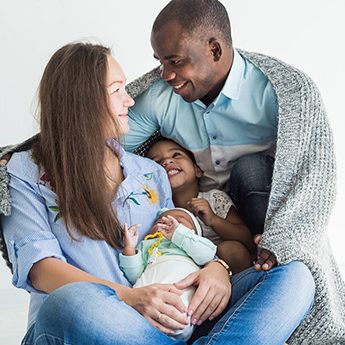
Relationships can be difficult to manage and are stuck in unhealthy cycles. Enhancement of communication skills, exploring why and how you may push each other apart and supportive understanding of each other, can create healthier relationships and assist you to step out of these cycles. Healing Matters Psychotherapy is a poly friendly service.

PERSONAL DEVELOPMENT
Are you ready to make changes?
Often, individuals seek therapy because they have specific issues to address, or wish to experience personal growth, however may be unsure of what to focus on, or how. We are more successful in creating changes when we have support.

GRIEF AND LOSS
Grief has no rules, and no timelines, effecting emotions, behaviours, thoughts and our bodies. Grief can contribute to individuals feeling stuck and not knowing how manage intense emotional pain. Healing Matters Psychotherapy and Wellness will support you in your individualized experience of grief and loss.

TRAUMA AND PTSD
Trauma impacts individuals emotionally, mentally, physically and psychologically. This can overwhelm one’s ability to cope and have long lasting effects.
Healing Matters Psychotherapy uses evidence based techniques and therapeutic modalities to support individuals and and families in an a safe, trauma informed space.
SAFE SPACE
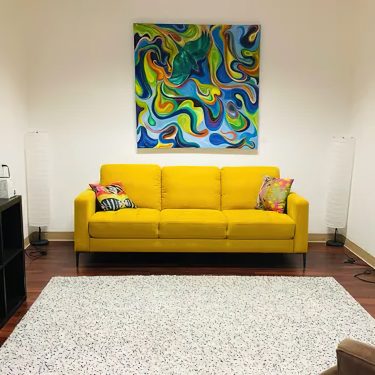
Healing Matters Psychotherapy and Wellness is a safe and inclusive space.
Drug Abuse Treatment Hamilton
Drug abuse treatment in Hamilton is a structured form of professional counselling designed to help individuals and families address substance use patterns, rebuild trust, and achieve lasting recovery through evidence-based therapy.
Healing Matters Psychotherapy provides addiction and substance abuse counselling in Hamilton, Ontario, serving adults and families across the Greater Hamilton Area who are struggling with alcohol, drugs, or behavioural addictions. With over 27 years of integrative clinical experience, the practice uses trauma-informed approaches that recognize how past hurt often underlies addiction patterns. If you or someone close to you is seeking support for substance abuse, understanding what treatment looks like, how it differs from other approaches, and what to expect can make the decision to reach out feel less overwhelming.
1. Addiction Treatment Addresses Root Causes, Not Just Substance Use
One of the most important things to understand about substance abuse counselling is that effective treatment goes beyond stopping the behaviour. Many people who use drugs or alcohol do so as a way to manage pain, anxiety, trauma, or difficult emotions. Unless those underlying issues are explored and resolved, the risk of returning to substance use remains high.
Healing Matters Psychotherapy takes a trauma-informed approach, meaning therapists recognize that addiction often develops as a coping response to earlier hurts or unresolved grief. During counselling, you will work with a therapist to understand what triggers your substance use, what emotional needs it is trying to meet, and what healthier ways you can meet those needs. This might involve processing past trauma, learning new ways to manage anxiety or depression, rebuilding self-worth, or healing damaged relationships. Because the root causes are addressed directly, recovery becomes more stable and meaningful.
2. Substance Abuse Counselling Hamilton Combines Individual Work With Family Support When Needed
Addiction affects not just the person using the substance, but everyone around them. Trust is broken, communication becomes difficult, and family members often feel confused, angry, or helpless about what to do.
The addiction counselling offered through Healing Matters Psychotherapy includes individual sessions where you work one-on-one with a therapist to address your own recovery. When it is helpful and with your consent, the practice also offers family therapy and couples counselling to address the relational impact of addiction. This might mean a partner learns how to set healthy boundaries, adult children understand why a parent struggled with substances, or couples rebuild intimacy after infidelity or broken promises tied to addiction. Individual therapy typically focuses on your recovery toolkit, coping skills, and processing the emotions underneath the substance use. Family work helps loved ones understand addiction as a health condition rather than a character flaw, and helps rebuild connection in healthier ways. Research shows that people who have both individual support and family involvement tend to have stronger, longer-lasting recovery.
3. Recovery Is Possible at Different Levels of Care, and Treatment Can Match Your Situation
Substance abuse counselling is not a one-size-fits-all process. Someone who has been using daily for years may need a different level of support than someone who recently realized their drinking is becoming a problem. Your readiness to change, the severity of use, any co-occurring mental health conditions like anxiety or depression, and whether you have a stable home and support network all affect what kind of treatment is most helpful.
Healing Matters Psychotherapy provides addiction counselling in a private, outpatient setting where you come in for regular weekly or biweekly sessions. This works well for people who have a stable living situation, are not in acute medical danger, and are motivated to work on recovery with professional guidance. The therapist will help you develop a recovery plan that might include identifying high-risk situations, learning new coping skills, addressing trauma or grief, rebuilding relationships, and often connecting with peer support groups or other resources as needed. If you are struggling with multiple substances, co-occurring mental health challenges, or have tried outpatient counselling before without success, your therapist will help you identify whether you would benefit from a referral to a different level of care. The goal is always to match the right level of support to your actual needs.
4. Seeking Help Is an Act of Strength, and Healing Matters Provides a Safe, Non-Judgmental Space
One of the biggest barriers to reaching out for addiction treatment is shame. People who struggle with substance abuse often believe they are weak, bad, or beyond help. They may have experienced judgment from family, employers, or even health care providers in the past, which makes trusting a therapist feel risky.
Healing Matters Psychotherapy operates from the perspective that addiction is a health condition, not a moral failing. The practice is trauma-informed and explicitly non-judgmental, which means the therapist will not shame you, lecture you, or treat you as less-than because of your substance use history. Instead, you will be met with genuine curiosity about what brought you to this point, what you have already tried, what works for you, and what you actually want your life to look like. The therapist's job is to help you understand yourself more clearly and give you tools to move toward that vision. Many people find that naming the problem out loud to a trained professional who listens without judgment is itself a turning point. From that first conversation, recovery becomes less abstract and more real. If you are ready to explore what addiction counselling could look like for you, reaching out to Healing Matters Psychotherapy is a direct step toward change.
Frequently Asked Questions
How does addiction counselling work if I have also experienced trauma?
Healing Matters Psychotherapy uses trauma-informed therapy, which means the therapist understands that trauma and addiction are often connected. Your counsellor will help you process past hurts safely while building skills to manage urges and emotions without substances. Treatment addresses both the trauma and the addiction together, rather than treating them as separate problems.
What happens in the first session of substance abuse counselling in Hamilton?
In the first session, the therapist will listen to your story, understand how substance use has affected your life, ask about your goals for treatment, and begin to develop a plan together. This is a chance for you to get a feel for the therapist and the space. Most people leave the first session with a sense of being heard and a clearer picture of what comes next.
Can my partner or family member attend counselling with me?
Yes. Healing Matters Psychotherapy offers individual addiction counselling, couples therapy, and family therapy. Whether loved ones are involved is entirely up to you and what would be most helpful for your recovery. Some people find that couples or family sessions help rebuild trust and communication after the damage addiction has caused.
Is there confidentiality in addiction counselling in the Greater Hamilton Area?
Yes. What you share in counselling is confidential and protected by privacy laws. The only exceptions are situations where there is immediate danger to yourself or others, or if a child is being abused. Your therapist will explain these limits clearly at the start of treatment.
CONTACT US
QUESTIONS?
Please do not hesitate to contact us with any questions you may have, or to book your free consultation.
HEALING MATTERS PSYCHOTHERAPY AND WELLNESS
Main Office
430 York Blvd., Hamilton ON (Free Parking) At the Hamilton Centre for Personal Development
Second Location
664 Golf Club Rd, Hamilton, ON L0R 1P0
(905) 921-6340
HOURS
Tuesday to Friday 10:00 am – 8:00 pm
Saturday 10 AM to 3 PM
By appointment only