




toward a healthier tomorrow. We’re glad you’re here. Together,
we’ll work toward clarity, balance, and peace.

Psychotherapy in Hamilton

ADDICTION AND MENTAL HEALTH
Addiction and Mental Health effects both the individual and family.
Over 27 years of current and integrative experience will support you or your loved ones with the impact of addiction or mental health.
CONFLICT RESOLUTION
(COUPLES AND FAMILY)
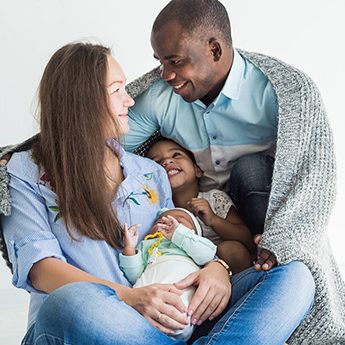
Relationships can be difficult to manage and are stuck in unhealthy cycles. Enhancement of communication skills, exploring why and how you may push each other apart and supportive understanding of each other, can create healthier relationships and assist you to step out of these cycles. Healing Matters Psychotherapy is a poly friendly service.

PERSONAL DEVELOPMENT
Are you ready to make changes?
Often, individuals seek therapy because they have specific issues to address, or wish to experience personal growth, however may be unsure of what to focus on, or how. We are more successful in creating changes when we have support.

GRIEF AND LOSS
Grief has no rules, and no timelines, effecting emotions, behaviours, thoughts and our bodies. Grief can contribute to individuals feeling stuck and not knowing how manage intense emotional pain. Healing Matters Psychotherapy and Wellness will support you in your individualized experience of grief and loss.

TRAUMA AND PTSD
Trauma impacts individuals emotionally, mentally, physically and psychologically. This can overwhelm one’s ability to cope and have long lasting effects.
Healing Matters Psychotherapy uses evidence based techniques and therapeutic modalities to support individuals and and families in an a safe, trauma informed space.
SAFE SPACE
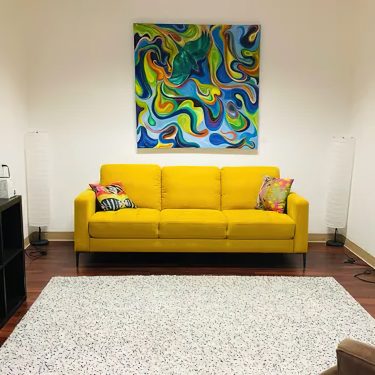
Healing Matters Psychotherapy and Wellness is a safe and inclusive space.
Dependent Personality Disorder Therapy Hamilton
Dependent personality disorder therapy in Hamilton is specialized counseling that helps people who struggle with an excessive need for reassurance, difficulty making decisions independently, and fear of abandonment in relationships.
If you live in Hamilton or the Greater Hamilton Area and recognize these patterns in yourself or a loved one, you are not alone. Dependent personality disorder (often called DPD) develops gradually, usually rooted in earlier life experiences where safety felt conditional on pleasing others or staying close to authority figures. Think of it like learning to navigate the world by always looking to someone else's map instead of developing your own sense of direction. With the right therapeutic support, people can reclaim their independence and build relationships based on genuine connection rather than fear.
Healing Matters Psychotherapy offers individual counselling in Hamilton specifically designed to address this pattern. Their trauma-informed approach recognizes that dependent patterns almost always have roots in earlier relational experiences, and healing requires both understanding those roots and practicing new ways of being.
Understanding Dependent Personality Disorder and Why It Matters
Dependent personality disorder involves a pervasive pattern of needing to be taken care of, which leads to submissive behavior, fear of separation, and difficulty initiating projects or making decisions without reassurance from others. People with DPD often prioritize other people's needs above their own and struggle to disagree with others, even when they have valid reasons to.
What makes this different from simply being loyal or considerate is the intensity and rigidity of the pattern. Someone with DPD may feel unable to be alone, even for short periods, or may accept harmful treatment to avoid abandonment. This pattern causes real suffering and limits the person's life choices, career growth, and sense of self.
In Hamilton, where many people are building lives across diverse careers and family structures, the ability to make independent choices and maintain healthy boundaries is essential. Therapy addresses not just the behaviors, but the underlying beliefs and fears driving them.
Comparing Therapy Approaches for Dependent Personality Disorder Therapy Hamilton
| Approach | How It Works | Best For | Timeline |
|---|---|---|---|
| Cognitive-Behavioral Therapy (CBT) | Identifies automatic thoughts that reinforce dependent patterns ("I cannot manage without help") and practices new ways of thinking and behaving | People who benefit from structured, skill-building work and want measurable progress | Often 12-20 sessions |
| Trauma-Informed Psychotherapy | Explores how earlier relationships or experiences taught you that safety depends on staying close to others; rebuilds sense of safety and agency | People whose DPD stems from childhood experiences, loss, or relational harm | Usually 6 months to ongoing, depending on depth of earlier experiences |
| Psychodynamic/Relational Therapy | Examines patterns in your current relationships as a reflection of earlier important relationships; builds awareness over time | People seeking deeper understanding of why these patterns developed and how they show up in every relationship | Often longer-term; progress is gradual |
| Family or couples counselling (when appropriate) | Involves the partner or family members to understand patterns together and practice new interactions in the relationship | People whose dependent patterns are reinforced by family dynamics or whose partner wants to support change | Varies; often combined with individual work |
Healing Matters Psychotherapy integrates these approaches based on your specific situation and what will serve your healing best. Because dependent personality disorder is rooted in relational history, compassionate, patient exploration works better than quick fixes.
What to Expect in Hamilton-Based Therapy for This Pattern
Working with a therapist experienced in dependent personality patterns means you will not be judged for these tendencies. Instead, you will gradually build awareness of the specific situations, people, or emotions that trigger your need for reassurance or fear of abandonment.
Early sessions typically involve understanding your history: how you learned to rely on others for safety or approval, and what happens when you imagine making a decision or expressing a disagreement. The therapist helps you identify the fear beneath the pattern, which is often not actually about the other person, but about your own safety or worth.
As therapy progresses, you practice small acts of independence in sessions and in life. This might mean expressing a different opinion, making a decision without asking permission, or spending time alone without anxiety. Because change feels unsafe at first-independence can trigger fears of abandonment-a skilled therapist in Hamilton will move at a pace that honors your courage while gently expanding your comfort zone.
Individual counselling with Healing Matters Psychotherapy also creates space to explore your strengths and values separate from what others think you should do or be. This reclaiming of self is central to recovery.
Why Trauma-Informed Care Matters for This Work
Dependent personality disorder rarely appears in isolation. Many people with DPD also carry trauma, grief, anxiety, or histories of emotional neglect. A trauma-informed therapist in the Greater Hamilton Area understands that your dependent patterns developed as a survival strategy-they kept you safe or connected at some point in your life.
Rather than simply labeling the pattern as a problem to fix, trauma-informed therapy recognizes its protective purpose and helps you develop new strategies that honor your need for safety while also supporting independence. This approach transforms shame into understanding, which opens the door to real change.
Healing Matters Psychotherapy brings over 27 years of integrated experience to this work. Their therapists understand how dependent patterns intersect with anxiety, depression, grief counselling needs, and relationship challenges-all of which are common when someone is learning to claim their independence.
If you are ready to understand why you struggle with independence and fear of abandonment, and you want support rebuilding your life on a foundation of your own values and choices, Healing Matters Psychotherapy in Hamilton is here to help. Reach out to learn more about how individual counselling can serve your healing journey.
Frequently Asked Questions
What is the difference between being dependent and having dependent personality disorder?
Everyone relies on others sometimes-that is normal. Dependent personality disorder involves a pervasive, rigid pattern where someone cannot function without reassurance, avoids disagreeing with others even when it matters, and feels panicked at the idea of being alone. The pattern causes significant distress and limits life choices. If this describes you, therapy can help.
How long does therapy for dependent personality disorder typically take?
Timeline varies based on the person and the approach. Structured cognitive-behavioral work may show progress in 12-20 sessions, while trauma-informed or deeper relational work often takes 6 months to longer. What matters is steady progress in feeling more independent and secure, not a fixed endpoint.
Is there therapy for dependent personality disorder in Hamilton that addresses my trauma history too?
Yes. Healing Matters Psychotherapy offers trauma-informed individual counselling that recognizes dependent patterns often develop from earlier relational experiences or loss. Their therapists integrate trauma work with therapy for the dependent pattern itself, so you address both the history and the current struggle.
Can my partner or family be involved in therapy for my dependent patterns?
Absolutely. While individual work is usually the foundation, couples counselling or family therapy can be valuable if your partner or family members want to understand the pattern and support your independence. Healing Matters Psychotherapy offers couples counselling and can help you decide what fits your situation.
What should I look for in a therapist for dependent personality disorder in the Greater Hamilton Area?
Look for someone with experience in personality patterns, trauma-informed practice, and a warm, non-judgmental approach. Your therapist should help you feel safe exploring independence, not push you faster than is helpful. Healing Matters Psychotherapy offers a free initial conversation to see if their approach feels right for you.
CONTACT US
QUESTIONS?
Please do not hesitate to contact us with any questions you may have, or to book your free consultation.
HEALING MATTERS PSYCHOTHERAPY AND WELLNESS
Main Office
430 York Blvd., Hamilton ON (Free Parking) At the Hamilton Centre for Personal Development
Second Location
664 Golf Club Rd, Hamilton, ON L0R 1P0
(905) 921-6340
HOURS
Tuesday to Friday 10:00 am – 8:00 pm
Saturday 10 AM to 3 PM
By appointment only